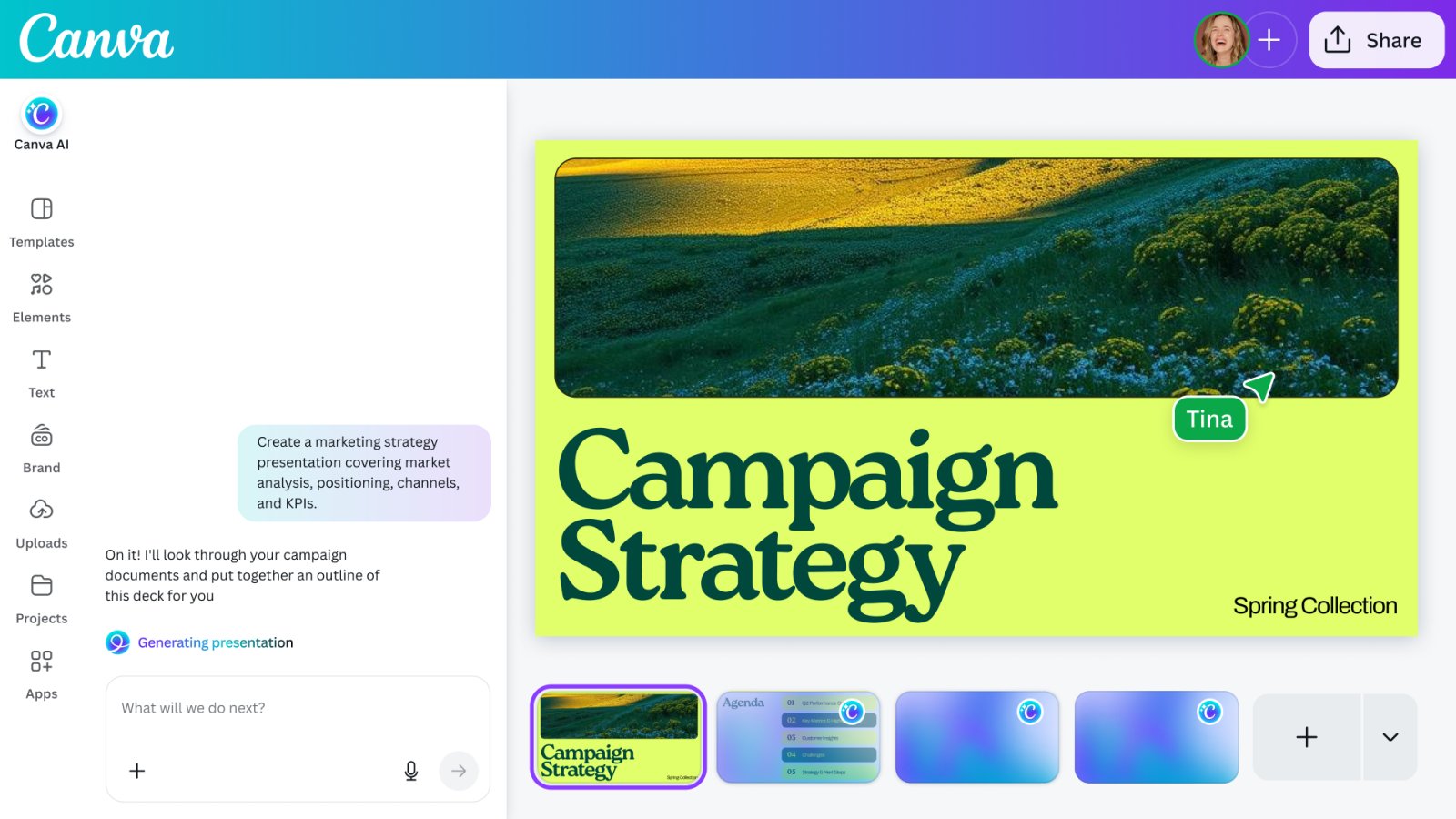
For more than three decades, the digital creative landscape has been defined by granular, hands-on craft. Illustrators, graphic designers, and art directors spent endless hours manipulating Bezier curves, fine-tuning typography kerning, and methodically stacking adjustment layers across dedicated applications such as Adobe Photoshop and Illustrator. Mastery was measured by an intimate familiarity with complex toolbars, shortcut keys, and technical rendering pipelines. Today, however, that venerable paradigm faces an existential transformation. Tech heavyweights Adobe and Canva are aggressively retooling their flagship platforms around autonomous artificial intelligence agents, signaling an ambitious push to replace traditional, step-by-step pixel editing with high-level, automated creative workflows.
Adobe’s ongoing rollout of next-generation Firefly agents and Canva’s continuous expansion of its Magic Studio ecosystem represent a fundamental philosophical pivot. Instead of requiring users to manually assemble compositions, these new agentic frameworks promise to interpret complex, multi-sentence conceptual briefs and independently produce comprehensive marketing campaigns, brand identity systems, and dynamic digital collateral. Users no longer act as manual technicians pushing pixels; rather, they are elevated—or relegated, depending on one’s perspective—to the role of creative directors who issue natural language prompts, evaluate algorithmic iterations, and sign off on automated outputs with a single click.
The operational efficiencies promised by these autonomous agents are undeniably enticing to corporate marketing departments and fast-paced commercial agencies. Generating dozens of localized banner ads, resizing multi-format social assets, and adjusting seasonal color palettes across an entire product catalog used to demand days of tedious labor from junior design staff. Adobe and Canva’s intelligent agents can accomplish these tasks in a matter of seconds, synthesizing typography, photography, and layout structures that adhere strictly to pre-established brand style guides. For enterprises striving to maintain constant content output across an ever-expanding array of digital channels, this automated velocity delivers undeniable economic value.
Nevertheless, the rapid shift toward agent-driven workflows has sparked profound unease and philosophical pushback across the professional creative community. Many veteran practitioners argue that when creative software handles conceptualization, composition, and execution autonomously, the subtle nuances of human artistic intuition and accidental serendipity are irrevocably lost. Furthermore, critics express legitimate fears of visual homogenization, warning that relying on algorithmic models trained on massive, generalized datasets will saturate the internet with bland, derivative commercial imagery. There is also an acute professional anxiety regarding entry-level employment, as the apprentice-style production roles that traditionally allowed junior designers to develop their craft are systematically subsumed by autonomous algorithms.
Looking ahead, the tension between manual craftsmanship and automated synthesis will inevitably reshape the identity of digital creative software. While Adobe and Canva maintain that their intelligent agents are designed to liberate professionals from mundane production drudgery rather than replace human imagination, the line between creative enablement and complete workflow automation continues to blur. As these tools mature, designers who succeed in this emerging landscape will likely be those who can strategically orchestrate autonomous agents while retaining the discerning aesthetic judgment and cultural sensitivity that no machine can truly replicate.
Comments (0)
Be the first to share your thoughts on this story.