For the past three years, the venture capital ecosystem and global technology markets have been consumed by a singular obsession: the race to scale generative artificial intelligence, large language models, and cloud-hosted algorithmic chatbots. Yet across Silicon Valley laboratories and advanced manufacturing floors from Tokyo to Munich, an unmistakable consensus is taking root among premier technologists. The true revolutionary horizon for artificial intelligence is not text generation, digital image synthesis, or conversational software agents. The definitive frontier of modern computing is physical embodiment—the translation of machine intelligence into autonomous robots capable of manipulating the real world.
The rapid progress witnessed in humanoid robotics has transformed what was once science fiction into immediate industrial reality. Tesla’s Optimus program has made giant strides in balance, fine motor dexterity, and autonomous factory part handling, propelled by end-to-end neural network models trained directly on physical human motion. Simultaneously, ventures like Figure AI, backed by trillion-dollar tech titans, have showcased humanoids engaging in fluent speech while executing complex warehouse logistical maneuvers with eerily organic fluid mechanics. Boston Dynamics has reinvented its iconic Atlas as a fully electric, commercially scalable marvel designed for high-intensity factory automation. Together, these systems demonstrate that neural networks are finally acquiring physical hands, legs, and situational spatial awareness.
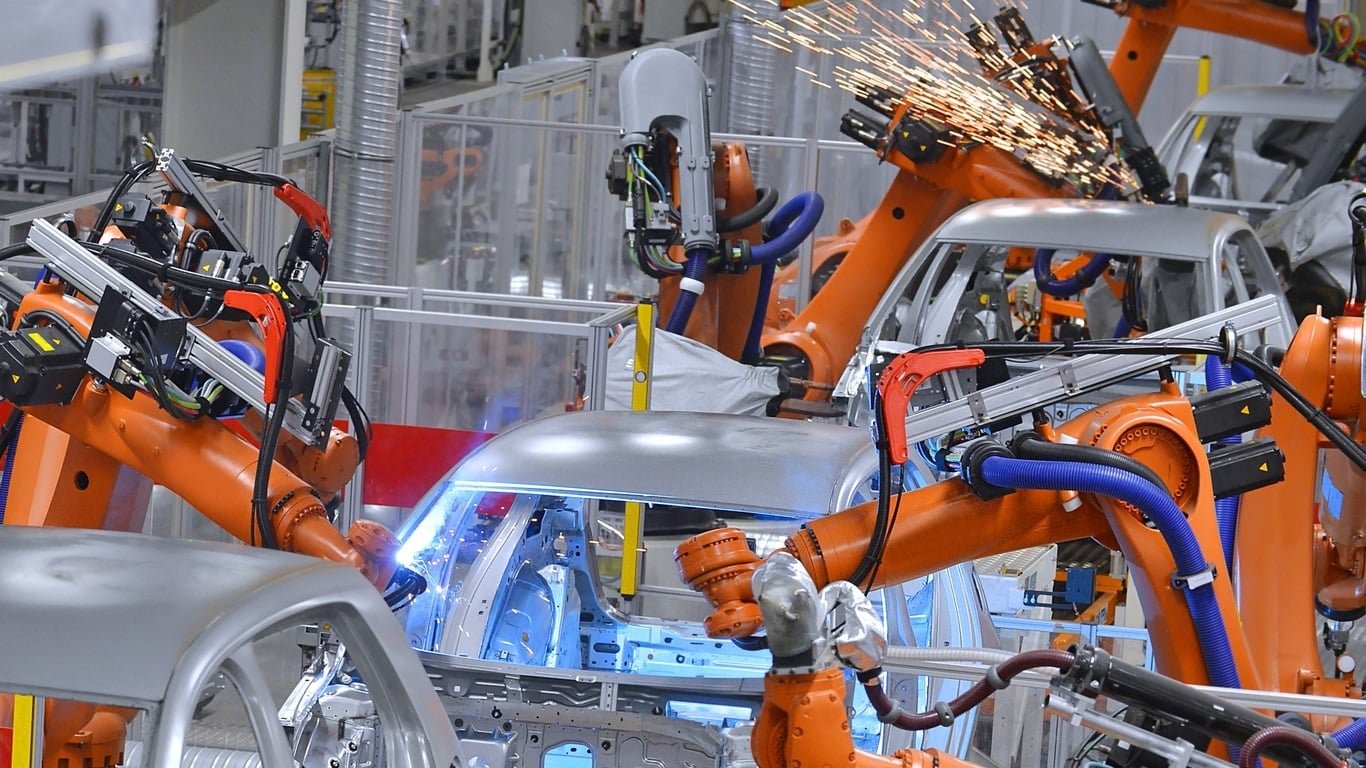
This tectonic evolution extends far beyond humanoid silhouettes into the vast domain of industrial and surgical automation. Modern factories, facing severe demographic headwinds and persistent skilled labor shortages across aging industrial economies, are rapidly replacing single-task assembly machinery with adaptable, vision-guided cobots. By combining vision-language-action (VLA) foundation models with precision servo actuators, these next-generation machines can be shown a task once through digital demonstration and immediately reproduce it in variable, unconstrained environments. The resulting convergence of sensory perception, mechanical dexterity, and generative intelligence promises to revolutionize global supply chains, construction, eldercare, and agricultural production over the coming decade.
For institutional and retail investors seeking exposure to this physical computing revolution, thematic instruments like the Global X Robotics & Artificial Intelligence ETF (BOTZ) have emerged as the primary vehicle for capturing market upside. Holding foundational industry titans including Nvidia, Fanuc, Keyence, Yaskawa Electric, and Intuitive Surgical, BOTZ provides a balanced, comprehensive stake in both the computational brains and the precision mechanical muscle driving the sector. The investment thesis rests on structural durability: while purely software-based AI applications face low barriers to entry and hyper-commoditization, physical robotics demands deep patents, precision manufacturing capabilities, and complex systems integration that present formidable competitive moats against market newcomers.
As capital rotates from experimental digital assistants to physical automation infrastructure, the global economy stands at the precipice of its most transformative industrial era since the introduction of electricity. The transition from software that talks to machinery that builds, harvests, and heals will redefine human labor, productivity metrics, and sovereign manufacturing resilience. Artificial intelligence’s opening act was teaching silicon how to think and converse; its grand finale will be teaching machines how to navigate and reshape our physical universe, proving that the real rewards belong to those who build the physical vessels of intelligence.