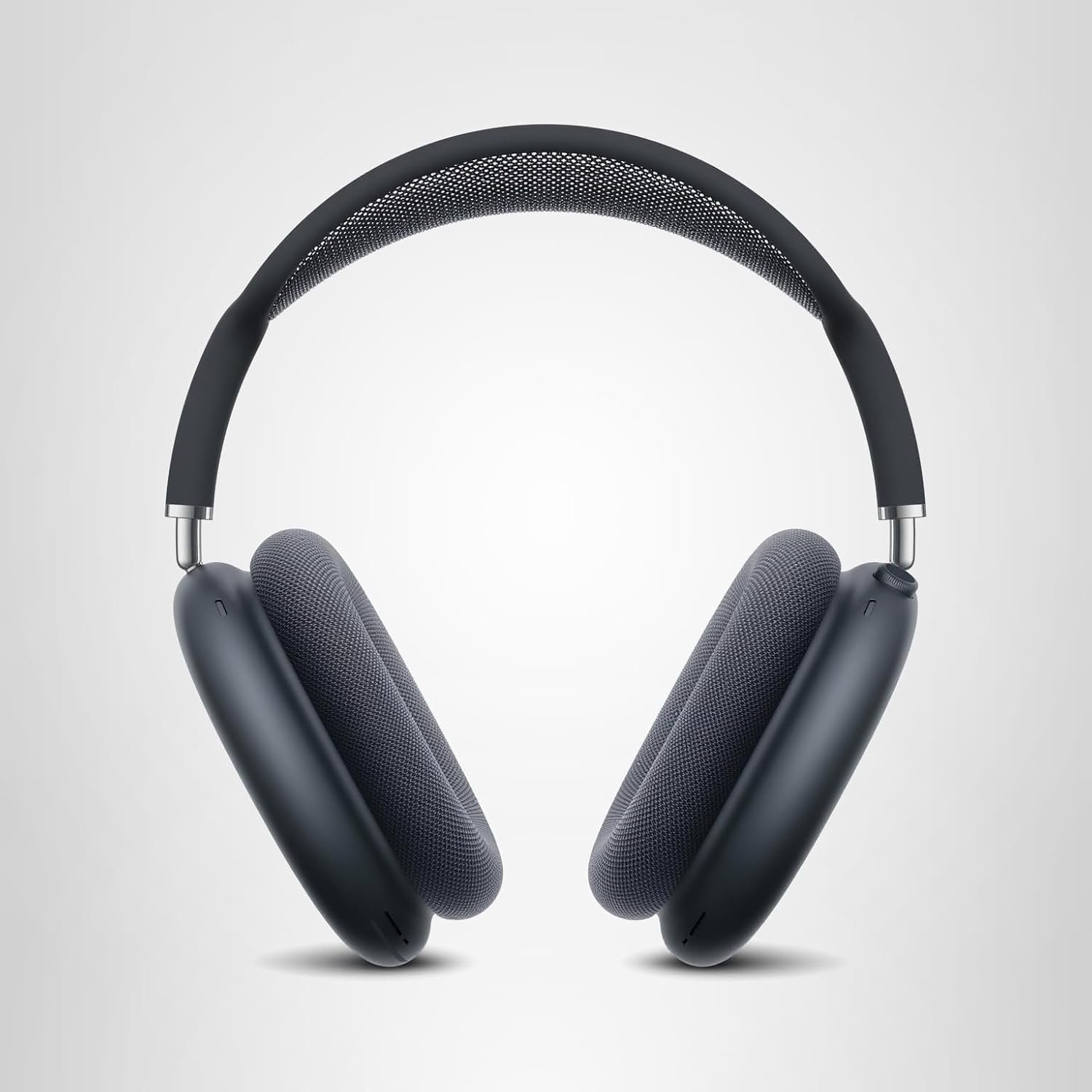
The annual retail spectacle known as Amazon Prime Day has officially kicked off, bringing with it an unprecedented wave of discounts across the consumer technology spectrum. While early sales events often serve as an inventory clearance ground for aging hardware, this year has delivered immediate shockwaves throughout the industry with genuine, all-time-low prices on premier flagship devices. Leading the charge are Apple’s most sought-after ecosystem staples: the newly minted Apple Watch Series 11, slashed down to an astonishing $279 from its retail benchmark, and the long-coveted AirPods Max 2, tumbling to a record $399. For market watchers and bargain hunters alike, these aggressive markdowns represent far more than routine seasonal promotions; they reflect an evolving consumer electronics landscape caught between economic pragmatism and rapid generational turnover.
The headline-grabbing discount on the Apple Watch Series 11 is particularly telling. Apple typically maintains stringent price corridors for its current-generation flagships, reserving deep three-figure discounts for refurbished channels or previous-generation holdovers. Dropping the Series 11 below the $300 threshold positions the world’s dominant smartwatch directly into mainstream impulse-purchase territory. The Series 11 has earned critical acclaim for its refined chassis, expanded biometric tracking suite, and breakthrough battery optimizations. By shaving more than twenty-five percent off the sticker price during a marquee shopping weekend, Amazon and authorized retail partners are effectively accelerating hardware adoption rates ahead of the critical autumn product cycle. Wearable tech has increasingly shifted from discretionary novelty to daily wellness necessity, and a price cut of this magnitude dramatically lowers the friction for fence-sitters clinging to older Series 6 or 7 units.
Equally dramatic is the $399 promotional price on the AirPods Max 2. When Apple introduced the sequel to its premium over-ear headphones, audio enthusiasts praised the transition to universal USB-C charging, refined acoustic voicing, and superior active noise cancellation algorithms. Yet, the persistent criticism remained tied to its eye-watering $549 original launch price. At $399, the calculus shifts entirely. The AirPods Max 2 suddenly undercuts high-end competitors from Sony, Bose, and Sennheiser while retaining the seamless spatial audio integration and aluminum-and-knit-mesh construction that set Apple’s industrial design apart. Industry analysts note that over-ear audiophile equipment has faced stiff pricing pressure in recent quarters, as cost-of-living adjustments have prompted consumers to delay discretionary luxury audio upgrades unless compelled by historic pricing concessions.
Beyond the individual product merits, these early Prime Day flash deals reveal a broader structural recalibration among hardware giants and retail intermediaries. E-commerce analytics suggest that premium electronic sales volumes have become increasingly back-loaded, with buyers intentionally holding off on upgrades until major promotional milestones. Amazon’s decision to headline its tech showcase with flagship Apple products rather than proprietary Echo and Fire inventory demonstrates a calculated bid to capture high-value transaction share early. For competitors in the retail space, matching these razor-thin margins will be a bruising endeavor, setting off a cascading pricing war across Best Buy, Target, and regional electronics distributors.
Looking ahead, the success of these steep markdowns will likely redefine seasonal discounting norms across the tech sector. As consumers increasingly view luxury hardware through the lens of longevity and value retention, artificial high-margin pricing models may find themselves perpetually challenged outside of launch windows. For now, early Prime Day shoppers are reaping the rewards of an ultra-competitive retail skirmish. Those waiting for the ideal moment to secure top-tier wearables and audio gear may not see prices this compelling until the holiday rush, making this flash event one of the definitive consumer moments of the tech calendar.