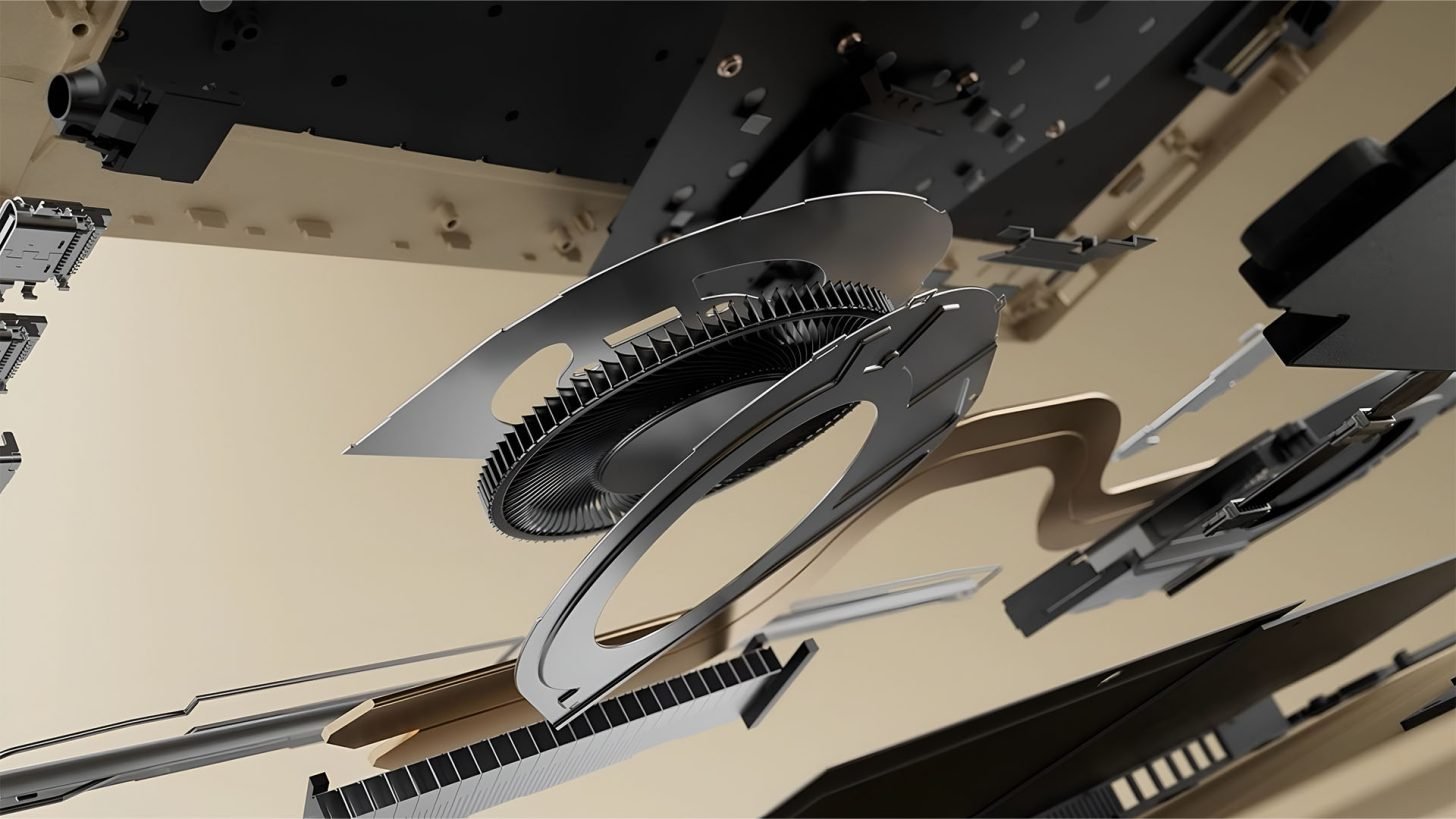
The ongoing silicon architecture battle between Apple Silicon and the surging ecosystem of Qualcomm-powered Windows laptops has reached a fascinating technological crossroads. With the arrival of machines like the ASUS Zenbook A16—driven by the cutting-edge Snapdragon X2 Elite Extreme platform—laptop manufacturers are proving that premium ultraportables no longer have to compromise sustained compute capability for the sake of slender aesthetic profiles. By pairing Qualcomm’s performance-tuned ARM silicon with an elaborate, aggressive thermal cooling apparatus, ASUS has demonstrated that active, robust thermal engineering unlocks the full, sustained potential of next-generation mobile silicon, offering an urgent engineering lesson that Apple’s hardware design team can no longer afford to ignore.
For years, Apple earned well-deserved industry acclaim for the extraordinary thermal efficiency of its custom M-series processors. The introduction of Apple Silicon allowed Cupertino to create ultra-thin, silent machines that ran circles around inefficient legacy x86 architectures while operating at negligible temperatures. However, Apple’s steadfast design philosophy has increasingly prioritized whisper-quiet acoustics and razor-thin chassis geometry over raw, sustained thermal dissipation headroom. The MacBook Air lineup continues to adhere to a completely fanless architecture that aggressively throttles CPU and GPU clock speeds after just a few minutes of intensive sustained load, while even the fan-equipped MacBook Pro models favor conservative, delayed fan curves to prevent audible noise.
In contrast, the ASUS Zenbook A16 embraces thermal realism. Recognizing that demanding professional tasks—such as compiling colossal codebases, training local artificial intelligence models, rendering high-frame-rate 8K video, and executing prolonged 3D simulation passes—require continuous, uninterrupted power draw, ASUS engineered an advanced multi-fan, dual-exhaust vapor chamber cooling module. Even when the Snapdragon X2 Elite Extreme operates at maximum thermal design power across extended multi-hour workloads, the system’s robust cooling architecture rapidly pulls heat away from the silicon die. As a consequence, the Zenbook sustains peak clock frequencies indefinitely without falling victim to the steep performance degradation that plagues thermally constrained notebooks.
The real-world benefits for end users are unmistakable. When consumers and creative professionals invest several thousand dollars in a flagship laptop, they expect to harness the full computing capability advertised on the retail specification sheet, rather than an artificially throttled fraction that only persists during brief burst benchmarks. While Apple’s chips boast peerless architectural IPC and memory bandwidth, thermal throttling significantly narrows the practical performance gap between Apple Silicon and competing ARM platforms during extended professional workflows. Creative professionals who regularly export visual effects or fine-tune multi-gigabyte open-weight AI models are finding that thermal throttling in thin MacBooks turns hours of anticipated compute into tedious bottlenecks.
If Apple intends to maintain its competitive edge as Windows-on-ARM hardware continues its rapid ascendancy, Cupertino must evolve its thermal design paradigm. Introducing vapor chamber cooling technologies, expanding internal heatsink surface areas, and offering user-selectable aggressive cooling profiles in macOS would allow M-series processors to maintain their true peak performance across punishing, sustained enterprise workloads. Efficiency remains a vital virtue in mobile computing, but without the physical cooling infrastructure necessary to sustain sustained thermal demands, even the most elegant silicon architecture will eventually find itself constrained by its own thermal ceiling.
Comments (0)
Be the first to share your thoughts on this story.