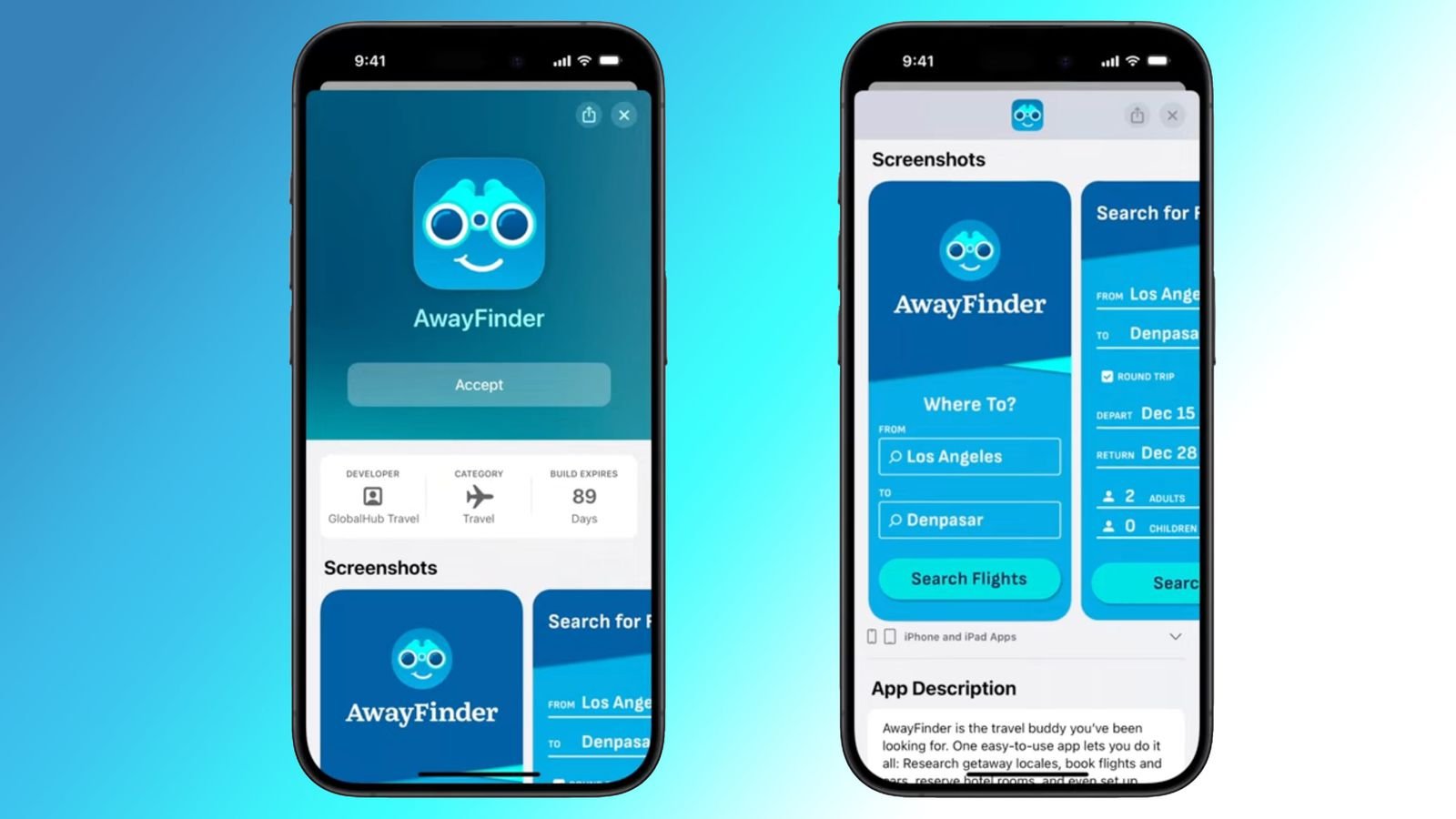
Apple has quietly rolled out a substantial suite of upgrades to TestFlight, its foundational beta testing platform, giving developers across the iOS, iPadOS, macOS, watchOS, tvOS, and visionOS ecosystems an overhauled set of tools designed to streamline the software pre-release cycle. For more than a decade, TestFlight has served as the mandatory staging ground for applications bound for the App Store, yet software engineers have frequently voiced frustration over rigid invitation caps, fragmented feedback channels, and opaque crash diagnostic data. The latest update addresses these long-standing grievances directly, introducing granular tester segmentation, dynamic public link management, and significantly enriched crash telemetrics that promise to accelerate the iteration loop for engineering teams worldwide.
At the center of the enhancement is a modernized invitation architecture that permits studios to configure responsive public links with automated expiration criteria, device-specific eligibility thresholds, and localized tester quotas. Previously, when an indie studio or multinational publisher launched an open beta, invite links were susceptible to rapid exhaustion by opportunistic downloaders who rarely submitted actionable feedback. Under the revised framework, engineering leads can establish rigorous onboarding criteria, admitting testers based on their active operating system builds, regional storefronts, or past participation velocity. Furthermore, developers can now enforce automated rotation cycles that gracefully decommission dormant beta seats, ensuring that scarce testing slots remain occupied by contributors actively exercising newly deployed builds.
Equally transformative are the enhancements delivered to TestFlight’s diagnostics and crash telemetry engine. Rather than forcing developers to wait for separate App Store Connect analytics processing, the updated platform surfaces near-real-time stack traces complete with automated symbolication and contextual system telemetry. When a build encounters an unhandled exception or memory leak, the platform captures granular device-state metrics—such as thermal throttling states, battery thresholds, low-power mode activations, and memory pressure indices—at the exact millisecond of failure. This contextual depth dramatically shrinks the time required for engineering squads to reproduce erratic edge-case bugs, eliminating weeks of back-and-forth correspondence between QA teams and external testers.
The overhaul arrives at a pivotal juncture for Apple's cross-platform software ecosystem, where the proliferation of unified codebases—powered by SwiftUI and Mac Catalyst—has necessitated synchronized multi-platform beta testing. With developers increasingly deploying universal purchases that span smartphones, tablets, desktop workstations, and spatial computing headsets, coordinating disparate beta tracks had become an administrative nightmare. The new TestFlight dashboard consolidates these multi-device pathways under unified testing campaigns, permitting testers to evaluate cross-device handoff features, cloud synchronizations, and shared subscriptions within a coherent, synchronized workflow.
Industry reaction to the TestFlight update has been broadly enthusiastic, particularly among independent software creators who lack the dedicated internal quality assurance infrastructure maintained by enterprise tech giants. For solo developers, the ability to collect targeted telemetry without maintaining expensive third-party logging SDKs reduces overhead and improves initial release stability. Meanwhile, major gaming houses and digital enterprise platforms have praised the enhanced security parameters, which allow organizations to restrict sensitive beta builds behind corporate single sign-on authentication and domain-specific access controls. As Apple prepares its software developer base for increasingly ambitious spatial computing and hardware platforms, the modernized TestFlight reinforces the App Store's competitive moat by ensuring that third-party applications achieve polished stability before reaching global consumer screens.