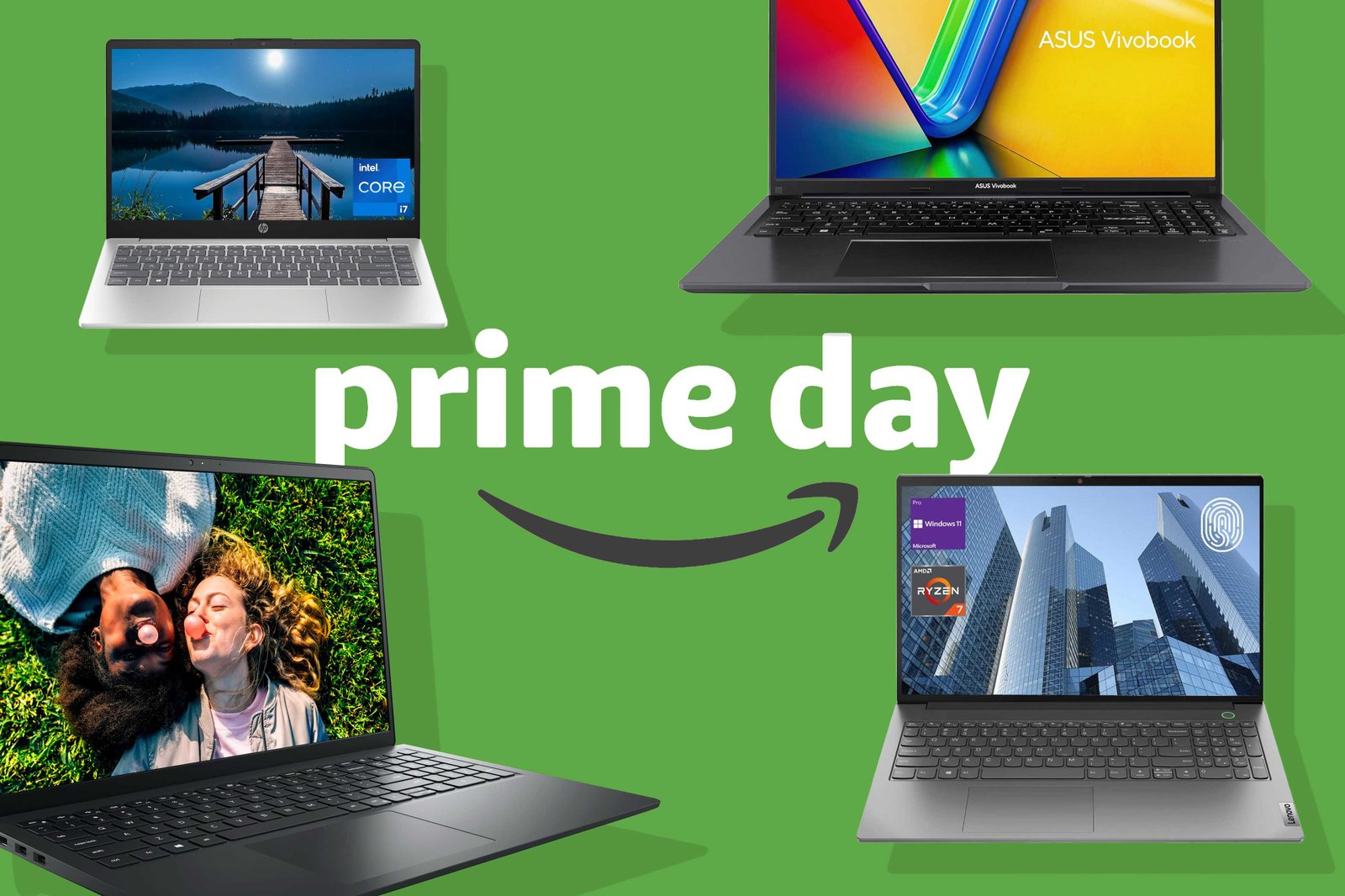
Navigating the personal computing market has become an increasingly sobering exercise for consumers over the past year. Anyone who has spent recent months meticulously tracking laptop price points will have confronted an unavoidable reality: portable computers are becoming wildly expensive across every tier. While historical hardware cycles typically saw older configurations steadily drop in price as component yields improved, the modern hardware economy has reversed that trajectory. A combination of escalating manufacturing overhead, the explosive rise in the cost of high-density RAM, and the universal push toward specialized AI-ready silicon has inflated laptop price tags across budget, midrange, and premium categories. Fortunately, the arrival of early Amazon Prime Day deals is providing a much-needed financial reprieve for shoppers looking to upgrade.
The primary culprit behind this uncomfortable pricing surge lies within the semiconductor supply chain. Modern computing workloads, fueled by demanding creative software suites and on-device neural processing units, have driven the baseline requirement for unified memory from a modest eight gigabytes to a standard sixteen or thirty-two gigabytes. Semiconductor fabricators have prioritized high-bandwidth memory for enterprise data centers and generative AI infrastructure, inadvertently choking consumer supply lines and driving memory component costs through the roof. When coupled with rising chassis material costs and advanced OLED panel integration, manufacturers have had little choice but to pass premium price hikes directly to consumers, making routine hardware replacements a significant financial burden.
Against this challenging economic backdrop, early Prime Day deals are delivering crucial opportunities to secure elite mobile performance without paying exorbitant premiums. Leading the pack of early discounts are Apple’s MacBook Air lineups, with both M2 and M3 configurations dropping to historic low prices. For the vast majority of students, remote professionals, and creative freelancers, the fanless MacBook Air remains the gold standard in power efficiency, battery longevity, and chassis rigidity, and finding these machines discounted by hundreds of dollars makes them an unbeatable productivity investment. Similarly, Windows power users are finding substantial relief on flagship ultrabooks, with Dell’s celebrated XPS line and Lenovo’s versatile Yoga series receiving aggressive early markdowns that offset their inflated base retail pricing.
The gaming laptop sector is experiencing an equally compelling wave of promotional pricing. High-performance gaming rigs from manufacturers like Asus ROG, Acer Predator, and Lenovo Legion—traditionally priced at astronomical figures due to their pairing of top-tier mobile GPUs with expensive thermal cooling chambers—are seeing double-digit percentage drops. For competitive gamers and 3D rendering artists who cannot compromise on raw graphical horsepower or high-refresh-rate displays, these promotional windows represent the rare moment when high-end gaming hardware approaches reasonable financial territory.
For prospective buyers surveying the market today, the strategic directive is clear: prioritize memory capacity and thermal architecture over superficial aesthetic gimmicks. With modern operating systems and localized AI tools demanding substantial system headroom, investing in machines equipped with at least sixteen gigabytes of RAM is no longer a luxury, but an imperative for long-term viability. As component costs show no imminent signs of a structural retreat, these early Prime Day laptop deals offer an essential window of affordability. Those who time their purchases wisely can bypass the broader inflationary pressures of the tech hardware market and secure a reliable workhorse built to last for years to come.