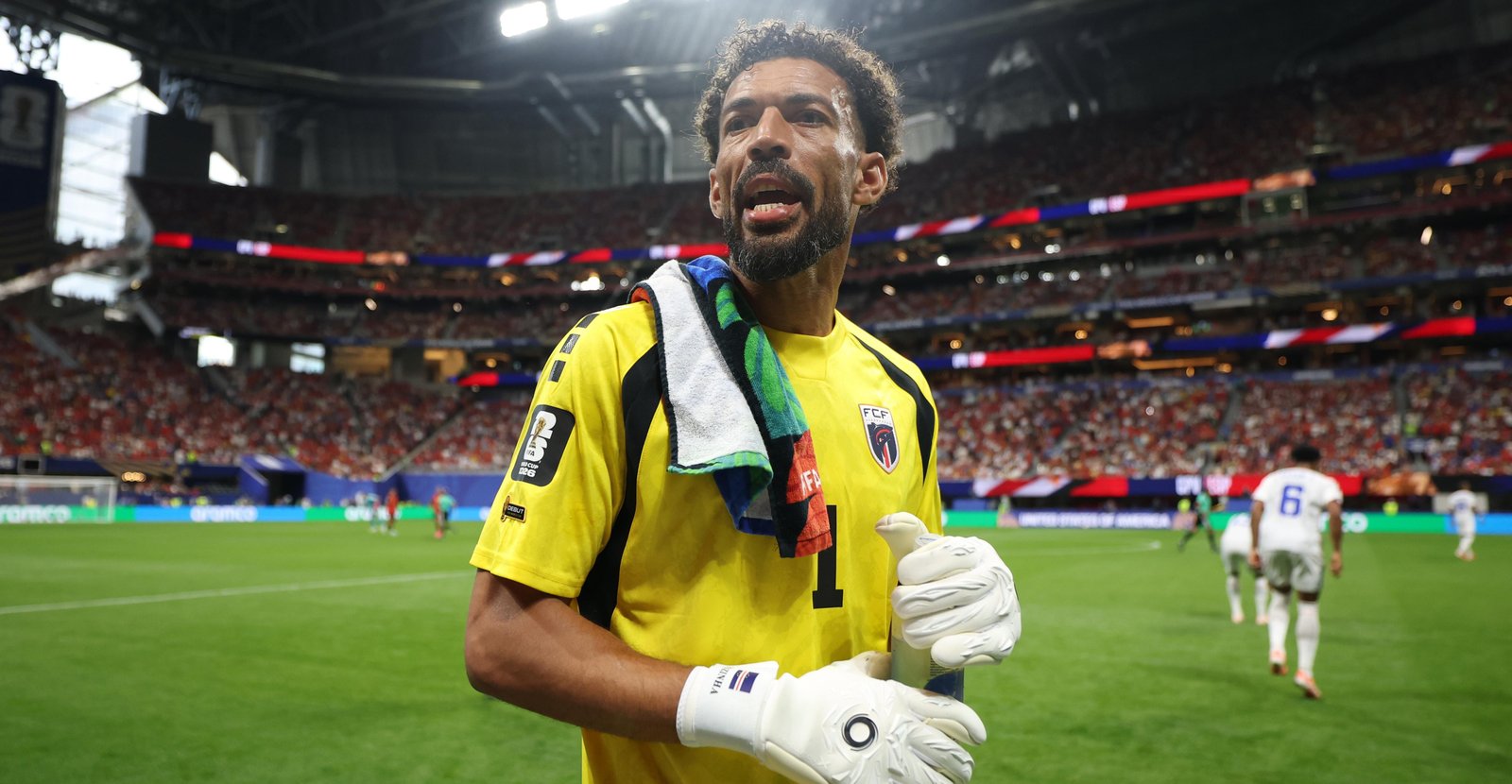
Football has a storied tradition of scripting narratives that defy all logical probability, but what unfolded on the pristine turf of Mercedes-Benz Stadium in Atlanta on Monday afternoon will echo through World Cup history for generations. On one side of the pitch stood Spain: three-time European champions, 2010 World Cup winners, the second-ranked squad on the planet, and overwhelming favorites to hoist the trophy at the 2026 FIFA World Cup. On the other side stood Cabo Verde: a volcanic island nation of barely five hundred thousand inhabitants, competing in their first-ever World Cup match. What ensued over ninety grueling minutes was not the lopsided procession bookmakers predicted, but a historic, goosebump-inducing masterclass as Cabo Verde held mighty Spain to an astonishing 0-0 draw.
From the opening whistle, the tactical blueprint executed by the Blue Sharks was an awe-inspiring testament to discipline, physical courage, and unyielding tactical harmony. Spain, fielding an imperious lineup glittering with Champions League winners and generational midfield technicians, seized control of seventy-eight percent of match possession. They pinged intricate passing triangles across the final third, probing relentlessly for fractures in the opposition lines. Yet, Cabo Verde operated not as eleven disparate individuals, but as an elastic, unbreakable organism. Positioned in a disciplined, suffocating 5-4-1 defensive block, their backline compressed space with surgical precision, throwing their bodies into the path of thunderous volleys and cutting out through-balls with heroic sliding challenges.
As the second half progressed and the Atlanta crowd of over seventy thousand began roaring behind the massive underdogs, Spanish frustration turned into outright panic. Star wingers were consistently crowded out by Cabo Verde’s tireless fullbacks, while crosses into the box were imperiously plucked from the humid Georgia air by Cabo Verde’s inspired goalkeeper, who produced three world-class reflex saves to deny point-blank Spanish headers. Cabo Verde did not merely bunker down; when rare transition opportunities materialized, their forwards sprinted with audacious ferocity, forcing Spanish defenders into desperate tactical fouls and reminding the global television audience that the Blue Sharks possessed lethal counter-attacking bite.
When the final whistle finally pierced the deafening roar of Mercedes-Benz Stadium, Cabo Verde’s players dropped to their knees in tears of pure ecstasy, embracing coaching staff in an emotional scene that instantly became the defining image of the tournament’s opening week. In the international football lexicon, a scoreless draw is rarely heralded as a victory. But in this extraordinary context, Cabo Verde’s 0-0 triumph over an aristocratic titan of the sport was nothing short of an earth-shattering triumph of athletic spirit over financial and institutional pedigree.
Beyond the immediate shock to Group E standings, this monumental result serves as the ultimate vindication for FIFA’s contentious decision to expand the World Cup to a forty-eight-team format. Critics had long warned that expanding the tournament field would dilute competitive quality and produce uncompetitive blowouts for emerging nations. Cabo Verde’s heroic stand against Spain decisively shattered that cynical narrative. Their performance demonstrated that across the global football landscape, tactical sophistication, fitness, and national pride can bridge even the widest institutional divides. On Monday in Atlanta, the Blue Sharks proved that in the beautiful game, heart and collective will still reign supreme.