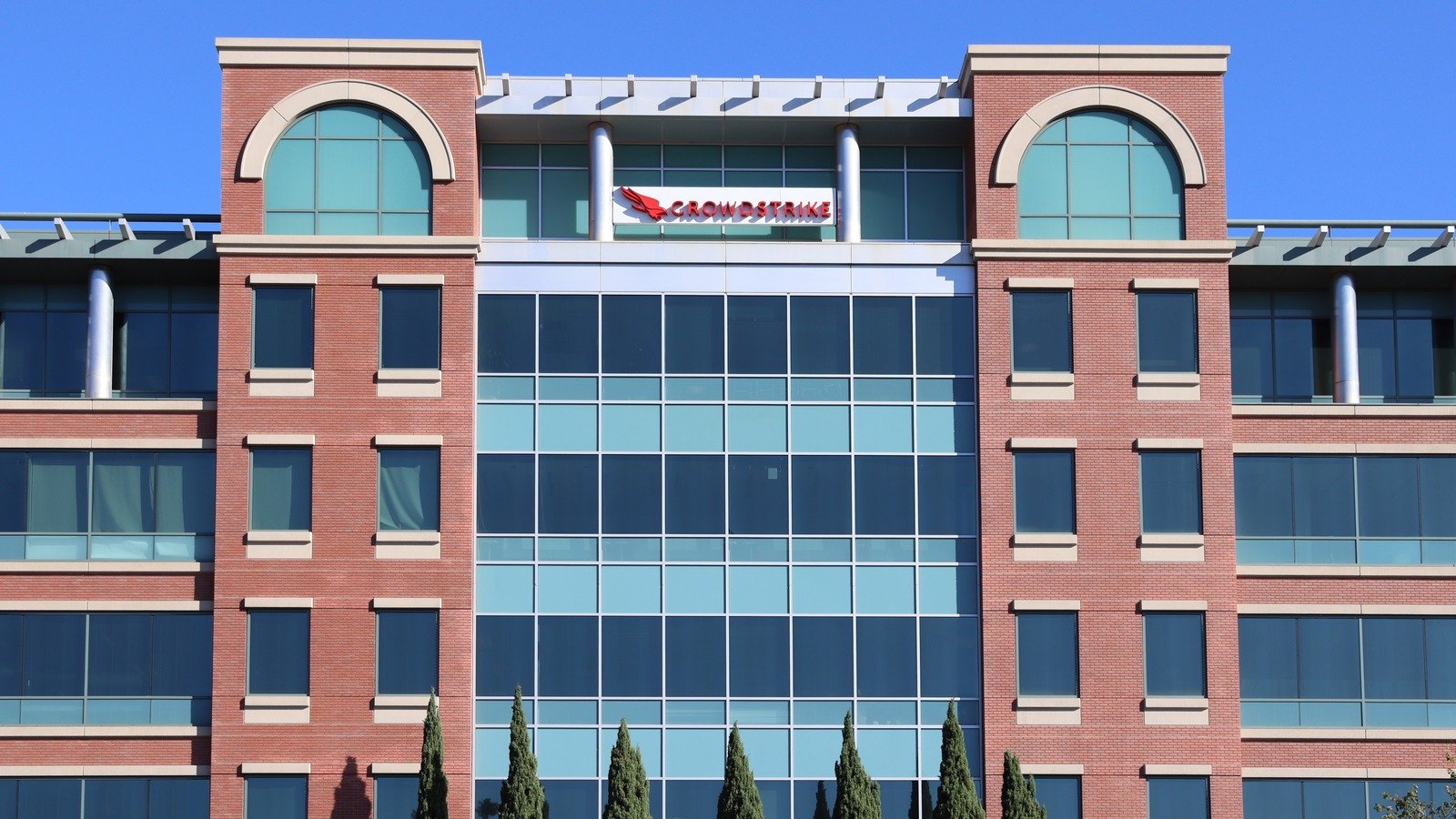
CrowdStrike is betting $43.9 billion that the future of cybersecurity is one platform guarding every device, every connection and every AI agent.
CrowdStrike, the Austin, Texas-based endpoint security giant, said on Monday, November 23, that it will acquire cloud security company Zscaler in an all-stock deal valued at about $43.9 billion. According to Reuters, it is the biggest cybersecurity acquisition on record, and it lands at a moment when artificial intelligence is making attacks faster, cheaper and harder to stop. The announcement came alongside quarterly results from both companies that beat Wall Street expectations, yet investors gave the two stocks very different receptions.
The deal: CrowdStrike moves into network security
Under the agreement, Zscaler shareholders will receive 1.135 CrowdStrike shares for each Zscaler share they own. CrowdStrike's official announcement says that works out to an implied value of roughly $260.41 per Zscaler share, based on CrowdStrike's closing price on November 20, a premium of about 34% to Zscaler's close that day. The boards of both companies approved the deal unanimously, and Zscaler founder Jay Chaudhry and his affiliates, who hold about 34% of Zscaler's outstanding shares, have signed voting agreements in support.
The logic is about coverage. CrowdStrike built its business protecting endpoints such as laptops and servers, along with cloud workloads and identities. Zscaler made its name securing the connections between users, applications and data through its cloud-based Zero Trust Exchange. Combined, the companies say they can offer a single platform that sits both on the device and inline on the network, and is designed for a world where AI agents, not just employees, are requesting access to corporate data.
By the numbers
The figures attached to the deal are large. The combined company is expected to start with more than $10 billion in annual recurring revenue, about $3.9 billion of it from Zscaler, Reuters reported. CrowdStrike says the acquisition expands its total addressable market by more than $185 billion and opens a cross-selling path to roughly 8,000 Zscaler customers that do not yet use CrowdStrike products. It projects about $1 billion in annualised revenue synergies within 30 months of closing.
Once the deal closes, existing CrowdStrike shareholders are expected to own about 84% of the combined company and Zscaler shareholders about 16%. Reuters puts the equity value of the transaction at about $42.46 billion, with the $43.9 billion headline figure reflecting enterprise value. Zscaler would owe a $1.4 billion break-up fee if it walks away under certain circumstances, including to accept a rival bid.
Both companies also reported results on Monday. CrowdStrike's fiscal third-quarter revenue rose 28% to $1.58 billion, with adjusted earnings of 34 cents per share, ahead of LSEG estimates of $1.53 billion and 31 cents, according to CNBC. Zscaler's fiscal first-quarter revenue climbed 20% to $949.3 million, and its adjusted earnings of $1.23 per share also beat forecasts.
How the market reacted
Investors were not uniformly enthusiastic. CNBC reported that CrowdStrike shares dropped about 9% on Monday, even on a day when the wider tech sector staged a powerful rally, while Zscaler jumped nearly 18%. Even after that surge, Zscaler traded below the deal's implied value, a gap Reuters attributed in part to uncertainty over regulatory approval. CrowdStrike shares had risen about 80% this year before the announcement, according to CNBC, which gave the company a richly valued currency to pay with.
Leadership and reactions
CrowdStrike chief executive George Kurtz will lead the combined company. Chaudhry will stay on to run the Zscaler business and join the CrowdStrike board. Until the deal closes, the two companies will continue to operate independently.
"With Zscaler, we're building cybersecurity's operating system: a single control plane to deploy AI, control AI, and enable any agentic application to run safely," Kurtz said in a statement. "We see a path to become the largest AI safety and security company the world has ever seen." Chaudhry described the companies as complementary and called the deal "the natural evolution of our longstanding partnership", adding that "AI agents are rapidly becoming the new weakest link."
Analysts at JPMorgan, which is also advising CrowdStrike on the deal, wrote that adding Zscaler could bring "more breadth in an era of vendor consolidation", according to CNBC. On the regulatory question, Axel Rudolph of IG Group told Reuters that antitrust scrutiny "is certainly possible given the size of the transaction," but that it would be "premature to assume that regulators will necessarily try to block it."
Why this matters
The deal caps a busy period of consolidation in cybersecurity. CNBC pointed to Google's $32 billion agreement to buy Wiz, Cisco's roughly $28 billion purchase of Splunk in 2024 and Palo Alto Networks' $25 billion acquisition of CyberArk, which closed earlier this year. Before Monday, CrowdStrike and Zscaler had a combined market value of more than $265 billion, according to CNBC, compared with about $282 billion for sector leader Palo Alto.
In our analysis, the move reflects two pressures at once. Corporate customers want fewer security vendors and fewer dashboards, which favours broad platforms over specialist tools. At the same time, AI is changing both sides of the fight: Reuters noted that AI is making it easier to find and exploit software vulnerabilities, even as it improves defensive tools. A recent run of high-profile outages and flaws in widely used Java and PHP software has only added to the urgency. CrowdStrike is betting that owning both the endpoint and the network gives it the strongest position as AI agents multiply inside companies.
What happens next
The transaction still needs approval from Zscaler shareholders and from regulators. CrowdStrike expects it to close in the second half of its fiscal year 2028, which Reuters places in the second half of calendar 2027. The key things to watch are how antitrust authorities view the overlap between the two companies, whether the gap between Zscaler's share price and the offer value narrows, and whether a rival bidder emerges despite the $1.4 billion break-up fee. For now, the cybersecurity industry's biggest bet on the AI era is officially on the table.
Image: Coolcaesar / Wikimedia Commons, CC BY 4.0