The Fuel Economy Rollback: What Easing CAFE Standards Means for Car Prices and Gas Bills
The automotive world is facing a massive shakeup. The official fuel economy rollback has arrived, altering the trajectory of CAFE standards and marking a stark departure from previous vehicle emission rules. Aimed at lowering the average price of a new car and reducing regulatory burdens on manufacturers, this policy shift has sparked an intense national debate.
While the policy promises upfront relief for car buyers, it raises critical questions about the lifetime cost of car ownership, future gas prices, and the nation's greenhouse gas emissions. Here is a breakdown of what this decision means for your wallet, the automotive market, and the environment.
🚗 Easing CAFE Standards: What the Rollback Changes
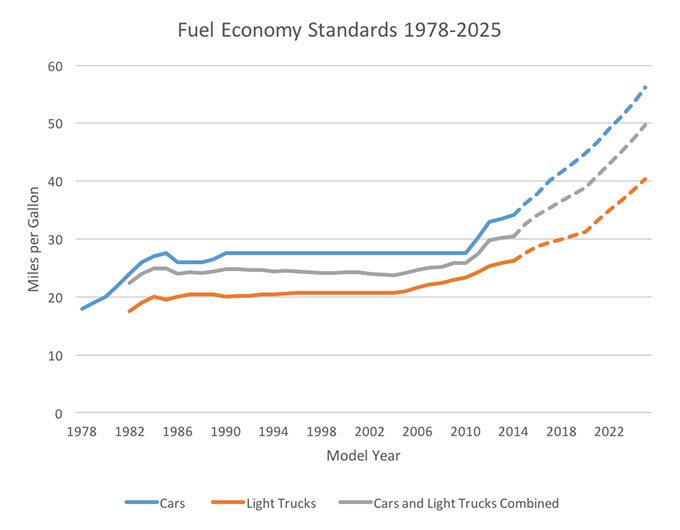
For years, federal mandates pushed the Alliance for Automotive Innovation and global manufacturers to hit increasingly aggressive corporate average fuel economy targets. The new vehicle emissions standards rollback halts or significantly lowers these target increments.
Instead of forcing rapid technological transitions toward hyper-efficient combustion engines and electric powertrains, the new rules ease the baseline requirements. For some, this represents a welcome pause on aggressive EV targets, effectively shifting expectations around the widely discussed Biden EV mandate.
⚖️ The Core Debate: Will Car Prices Drop vs. Pain at the Pump
The update to Trump fuel economy standards has triggered intense debate between economic strategists, auto industry watchdogs, and environmental advocacy groups.
┌────────────────────────────────────────────────────────┐
│               THE MPG ROLLBACK TRADEOFF                │
├───────────────────────────┬────────────────────────────┤
│     PROS (Immediate)      │     CONS (Long-Term)       │
├───────────────────────────┼────────────────────────────┤
│ • Cheaper new car prices  │ • Higher fuel consumption  │
│ • Lower engineering costs │ • More trips to the pump   │
│ • Greater vehicle variety │ • Higher lifetime ownership│
└───────────────────────────┘────────────────────────────┘
The Financial Pro: Lower Vehicle Sticker Prices
Proponents argue that strict car fuel efficiency rules forced automakers to invest heavily in expensive engineering—such as lightweight materials, complex turbocharging, and hybrid systems. Easing these mandates is expected to cut manufacturing costs, prompting consumers to wonder: will car prices drop? The administration claims the rollback will lower the average cost of a new vehicle by roughly $1,300, making newer, safer vehicles more affordable for the average family.
The Financial Con: Higher Lifetime Cost of Car Ownership
However, consumer advocates warn of a long-term pain at the pump. When balancing gas prices vs car affordability, a less efficient vehicle can quickly drain a driver's wallet over time.
- Increased Fuel Consumption: Drivers will burn more fuel per mile, leading to cumulative losses at the gas station.
- Hidden Costs: The initial $1,300 purchase savings could be entirely wiped out by a higher lifetime cost of car ownership through increased fuel stops.
- Global Competition: Easing domestic standards could leave American automakers less competitive globally, as foreign markets continue to demand high efficiency.
🌎 Climate Impact and the Future of Gas-Powered Vehicles
Beyond personal finance, the rollback carries significant environmental weight. Lowering the targets directly impacts progress on reducing greenhouse gas emissions from cars. Easing the pressure to innovate cleaner transport alternatives guarantees a longer, dominant lifespan for traditional gas powered vehicles.
However, legal hurdles remain. The rollback faces immediate resistance from states aiming to protect their environment, set up a major legal battle over the California vehicle emissions waiver and the state's right to set stricter rules than the federal government.
🔮 What It Means for Your Next Car Purchase
For everyday consumers, the immediate impact means the market will likely see a continued abundance of traditional gas-powered SUVs and trucks without the looming threat of heavy regulatory fines for manufacturers.
If you are planning to buy a new vehicle soon, you will want to weigh the lower sticker price against what you might end up paying at the pump over the next five to ten years.
What are your thoughts on the new fuel economy rollback? Would you prefer a cheaper upfront car price or better long-term gas mileage? Let us know in the comments below!
Comments (0)
Be the first to share your thoughts on this story.