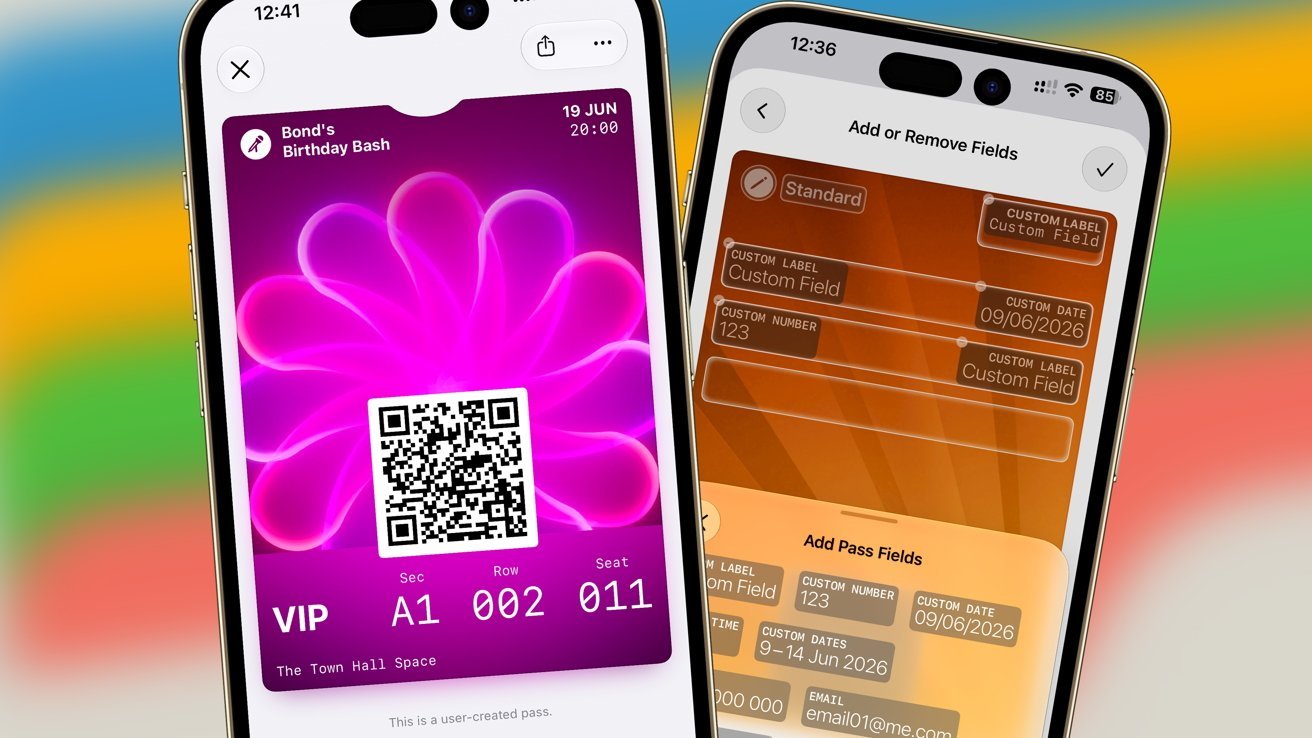
For over a decade, Apple Wallet has steadily transformed the iPhone from a communication gadget into a digital key to modern daily life, consolidating credit cards, transit passes, state identification, and boarding passes within a secure digital enclave. However, users have long faced an annoying barrier when dealing with local organizations, independent fitness centers, municipal libraries, and neighborhood shops that lacked dedicated iOS applications or PassKit integration. To bridge this persistent friction, Apple introduced native "Create a Pass" functionality directly into the iOS Wallet application. This native feature empowers iPhone owners to instantly convert physical barcodes, QR codes, and paper passes into digital wallet cards without relying on dubious third-party utility applications or precarious web portals.
The user workflow behind native pass creation is engineered around effortless simplicity and intelligent visual recognition. Within the Wallet app, users simply tap the familiar addition icon at the top corner of the interface and select the "Create a Pass" option. The feature leverages the iPhone's advanced camera system and on-device Visual Intelligence engine to instantly detect and scan physical barcodes, whether standard Code 128 gym memberships, PDF417 concert tickets, or quick-response QR codes on community event badges. Alternatively, users can choose from specialized pass archetypes—such as Membership, Event Ticket, or Store Card—and manually populate custom fields with membership numbers, holder names, custom labels, and personalized color palettes before finalizing their new digital pass.
Behind this intuitive consumer interface lies Apple’s robust PassKit framework operating under rigorous on-device security safeguards. In typical Apple fashion, the pass generation pipeline is executed entirely within a local security sandbox on the device's neural engine. Sensitive identifiers, barcode payloads, and membership data are never transmitted to external cloud servers for processing, preventing corporate harvesting of personal shopping or fitness habits. Once saved, the newly minted pass is cryptographically signed and stored locally in the secure Wallet repository, instantly syncing across the user's paired Apple Watch and iCloud ecosystem. Users can even assign geographic location triggers to their custom passes, prompting the card to automatically appear on their lock screen upon arriving at their local gym or grocery market.
This native capability marks a decisive blow against physical wallet clutter and represents another critical milestone in the societal transition toward an entirely cardless future. For years, consumers were forced to carry bulging wallets stuffed with plastic punch cards, laminated gym tags, and flimsy paper receipts simply because smaller businesses could not justify hiring developers to build custom PassKit infrastructure. By putting pass generation directly into the hands of end users, Apple has democratized digital credentialing. Local businesses benefit from seamless contactless barcode scanning at reception desks without investing in expensive software upgrades, while consumers enjoy the convenience of managing their entire physical footprint from their smartphone.
As Apple continues to expand Wallet’s functionality with digital car keys, hotel room access, and biometric mobile driver's licenses, "Create a Pass" fills the vital granular gap between global enterprise integrations and local community interactions. The feature demonstrates Apple's signature knack for transforming complex developer frameworks into seamless everyday utilities. By eliminating the last remaining excuses to carry plastic membership cards, Apple Wallet is bringing society closer to a truly post-physical wallet era, where a simple tap or wrist glance is all that stands between you and the physical world.