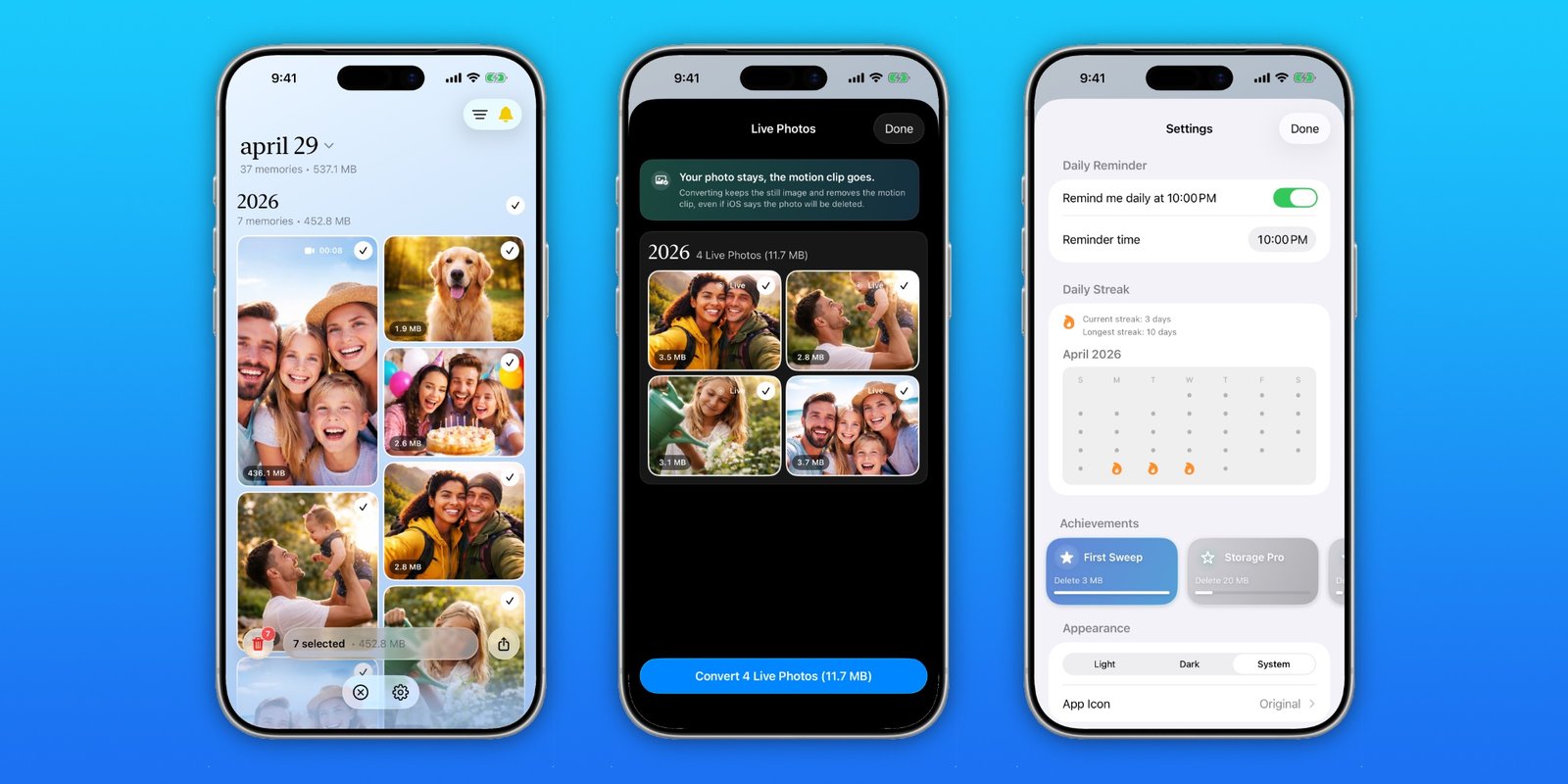
In an age where smartphone cameras boast staggering multi-lens arrays and terabyte storage tiers, digital photography has quietly transformed from a joyous chronicle of life into an overwhelming storage crisis. Modern smartphone owners routinely accumulate tens of thousands of uncurated photos, bursting with blurry burst shots, forgotten grocery lists, redundant selfies, and redundant screenshots that clutter flash memory and trigger recurring iCloud storage upsells. Into this digital swamp steps an inventive indie application called "This Day," a software experience that eschews cumbersome batch-deletion utilities in favor of an elegant, daily behavioral habit that makes photo cleanup remarkably engaging.
Created by an independent iOS developer, This Day approaches mobile photo management through the lens of nostalgia rather than clinical utility. Instead of confronting users with intimidating interfaces that demand hours of ruthless sorting through years of archives, the app presents a curated capsule of photos captured on that exact calendar date across previous years. Borrowing intuitive swipe gestures popularized by dating and sorting applications, users can glide through their historical memories: a quick swipe right preserves the moment and marks it as a cherished memory, while a swipe left sends blurry duplicates, obsolete receipts, and accidental pocket-captures to the system trash queue.
The brilliance of This Day lies in its mastery of micro-habits. Behavioral psychologists have long noted that massive, intimidating chores—such as organizing an 80,000-photo digital library—induce analysis paralysis, causing users to avoid the task entirely. By atomizing this monumental burden into an enjoyable two-minute daily ritual, This Day effortlessly integrates into morning routines or transit commutes. Users are motivated not by the sterile obligation of freeing up gigabytes, but by the sentimental pleasure of rediscovering forgotten vacations, childhood milestones, and everyday joys from three, five, or ten years ago.
From a technical and privacy perspective, This Day stands as an inspiring exemplar of modern indie development. In stark contrast to invasive free utilities that harvest metadata or upload uncompressed photo libraries to remote servers for algorithmic indexing, This Day executes its core operations entirely on-device. The application interfaces directly with the native Apple PhotoKit APIs, ensuring that personal pictures, location tags, and facial data never exit the user’s device. Furthermore, the deletion process preserves native operating system safeguards: discarded items are routed to iOS’s native "Recently Deleted" album, giving users a thirty-day grace period to recover any accidental trashing before permanent deletion.
The indie app community has responded enthusiastically to the release, celebrating it across technology forums as a refreshing departure from subscription-bloated utility tools. While many corporate photo management apps demand recurring monthly payments of ten dollars or more for basic automated features, This Day opts for an accessible pricing model that respects user autonomy. Early adopters consistently report liberating tens of gigabytes of valuable storage within their first few weeks of consistent use, without ever feeling like they were performing tedious digital housekeeping.
As smartphone camera resolutions climb higher and 4K spatial video recording becomes commonplace, mobile storage management will only intensify in importance. This Day illustrates that the most effective technological solutions are rarely the most complicated ones. By transforming an exhausting technical maintenance task into an emotionally rewarding stroll down memory lane, this indie gem demonstrates the unique magic of thoughtful, human-centered independent software development.