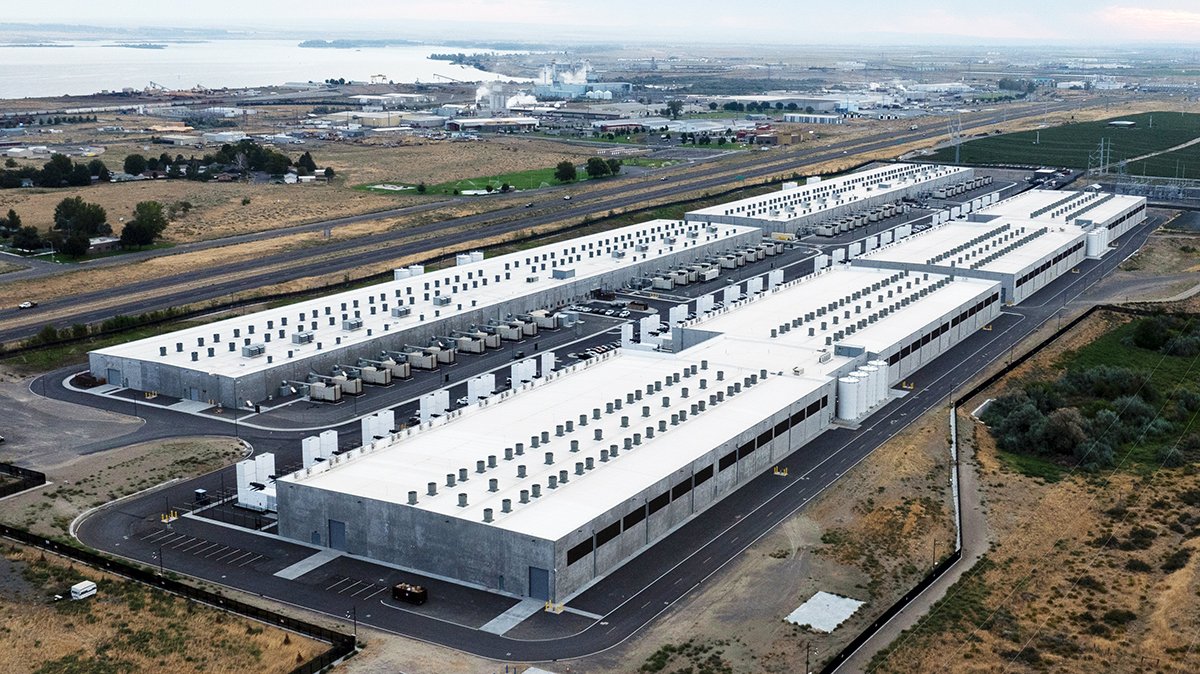
Far away from the glittering tech corridors of Silicon Valley and the corporate suites of Manhattan, the physical future of artificial intelligence in the United States is being decided in the fluorescent-lit basements of suburban municipal buildings and rural county courthouses. Across communities in Northern Virginia, central Ohio, rural Georgia, and the deserts of Arizona, local zoning boards, town councils, and county planning commissioners have emerged as the ultimate gatekeepers of the generative computing boom. As tech conglomerates pour hundreds of billions of dollars into constructing the hyper-scale data centers required to train and run next-generation artificial intelligence models, they are colliding directly with grassroots resistance over strained electrical grids, water depletion, and community disruption.
The sheer physical scale of artificial intelligence infrastructure dwarfs anything previously demanded by cloud computing or modern consumer internet services. Modern AI compute clusters, packed with tens of thousands of power-hungry graphics processing units, require electrical power allotments that rival the consumption of mid-sized American cities. Local utility companies are sounding the alarm that unconstrained data center development risks overwhelming regional electrical transmission grids, forcing delayed retirements of carbon-intensive coal plants and driving up utility rates for ordinary residential rate-payers. In community after community, residents are packing municipal zoning hearings to protest proposed facility permits, citing fears of rolling blackouts and surging electricity bills.
Water consumption has ignited an equally contentious environmental flashpoint, particularly in agricultural communities and arid regions already vulnerable to chronic drought. Hyper-scale computing facilities rely on evaporative cooling towers that consume millions of gallons of potable water daily to prevent high-density server racks from melting under thermal load. In rural farming towns, agricultural stakeholders and environmental advocates have banded together to block municipal variance applications, arguing that prioritizing data center cooling over local municipal aquifers threatens regional agriculture and drinking water safety. Even where operators pledge to deploy air-cooled closed-loop cooling systems, concerns over low-frequency acoustic industrial hum and landscape industrialization continue to fuel fierce neighborhood opposition.
At the center of these fiery zoning clashes sits a profound fiscal dilemma for local civic leaders. Data center operators arrive at municipal bargaining tables with staggering capital investment proposals, promising hundreds of millions of dollars in localized property tax windfalls that can build modern schools, pave roads, and upgrade municipal emergency services without raising residential property taxes. Yet, critics point out that while data center construction creates a transient burst of local trade labor, the finished warehouses employ only a handful of permanent technicians once operational. Rural supervisors and suburban council members find themselves trapped between tempting municipal revenues and an outraged electorate furious over the industrial transformation of formerly pastoral or residential landscapes.
The mounting localized resistance is already altering corporate infrastructure strategies across the technology industry. Facing multi-year permitting delays and outright moratoria in established data center epicenters like Loudoun County, Virginia, tech giants are being forced to scout increasingly remote rural territories, negotiate proprietary renewable energy power-purchase agreements, and invest in novel on-site nuclear energy concepts. Yet as AI compute demands continue their exponential trajectory, the grassroots battles playing out across America's municipal zoning boards prove that the most formidable constraints facing artificial intelligence are not algorithmic limitations or silicon shortages, but the grounded realities of local politics, physical resources, and civic consent.
Comments (0)
Be the first to share your thoughts on this story.