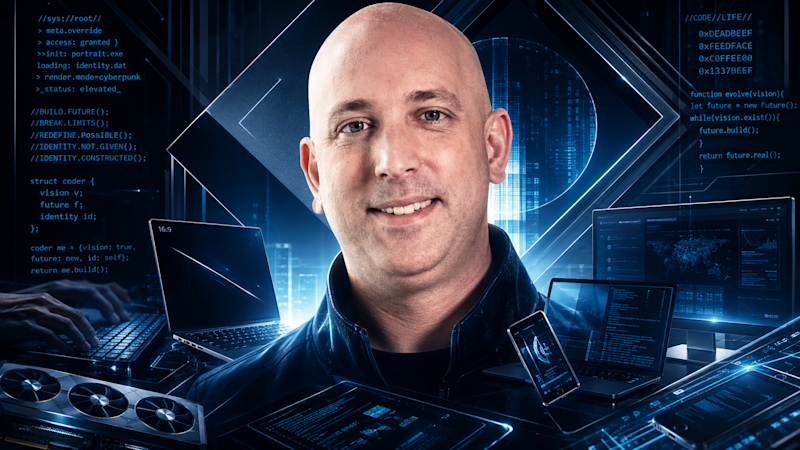
At Microsoft’s Build 2026 developer conference, the technological narrative shifted decisively from passive generative conversational interfaces to fully autonomous, multi-agent enterprise deployments. Emphasizing this architectural evolution, Microsoft’s AI Futurist outlined how the company’s internal teams and Fortune 500 customers are deploying Copilot agents to tackle sophisticated, multi-step enterprise workflows. Rather than treating artificial intelligence as a glorified autocomplete tool or simple text summarizer, the tech giant is positioning agentic platforms as autonomous software workers capable of reasoning across disparate enterprise data silos, initiating transactions, and resolving operational bottlenecks without requiring continuous human oversight.
During detailed keynote presentations and technical breakout sessions, the company illustrated how autonomous agents are transforming routine corporate operations. In global supply chain logistics, Copilot-driven agent clusters are actively monitoring telemetry data, predicting geopolitical maritime shipping delays, automatically re-routing freight shipments, and adjusting ERP inventories in real time. Within enterprise information technology departments, autonomous service agents now ingest complex tier-two infrastructure alerts, correlate network anomalies against historic log repositories, execute automated remediation scripts, and update IT service management tickets within seconds. These real-world applications demonstrate a transition toward ambient, goal-directed computation where humans establish high-level strategic objectives and guardrails while AI agents manage low-level execution.
Microsoft’s internal leadership stressed that the platform winner in the enterprise AI space will not simply be the company boasting the most parameter-heavy foundation model, but rather the ecosystem that provides the most robust orchestration fabric, data connectivity, and security architecture. Through Copilot Studio and the Azure AI platform, enterprise developers are building interconnected systems where specialized agents collaborate dynamically. For instance, a procurement agent can coordinate directly with a legal compliance agent and an accounting agent to draft, audit, and finalize vendor agreements in minutes rather than weeks. Built-in compliance layers, role-based access controls, and zero-trust security parameters ensure that agents operate strictly within verified organizational boundaries, addressing corporate concerns surrounding intellectual property leaks and hallucinations.
Industry reaction across enterprise IT sectors has been largely enthusiastic, though tempered by pragmatic governance concerns. Chief Information Officers and enterprise security teams recognize the immense efficiency gains promised by agentic automation, but they remain cautious regarding runaway agent behaviors, unintended software dependencies, and auditability. In response, Microsoft demonstrated new agent-observability dashboards that allow systems administrators to inspect an agent’s internal reasoning chain, inspect API call logs, and implement human-in-the-loop checkpoints before high-stakes financial or legal actions are executed. This emphasis on governance has become Microsoft’s primary competitive differentiator against rival cloud offerings from Amazon Web Services and Google Cloud.
Looking ahead, the proliferation of enterprise agents signals a fundamental shift in corporate software development and organizational structure. As autonomous software agents assume routine cognitive workloads, human employees will increasingly transition into supervisory, architectural, and strategic roles. The transition promises to dramatically reduce organizational latency, transforming legacy corporations into highly responsive, real-time operating entities. Microsoft’s strategic roadmap makes it evident that the future of enterprise software is not about chatting with an assistant—it is about orchestrating an intelligent workforce of digital agents engineered to execute complex business logic at scale.