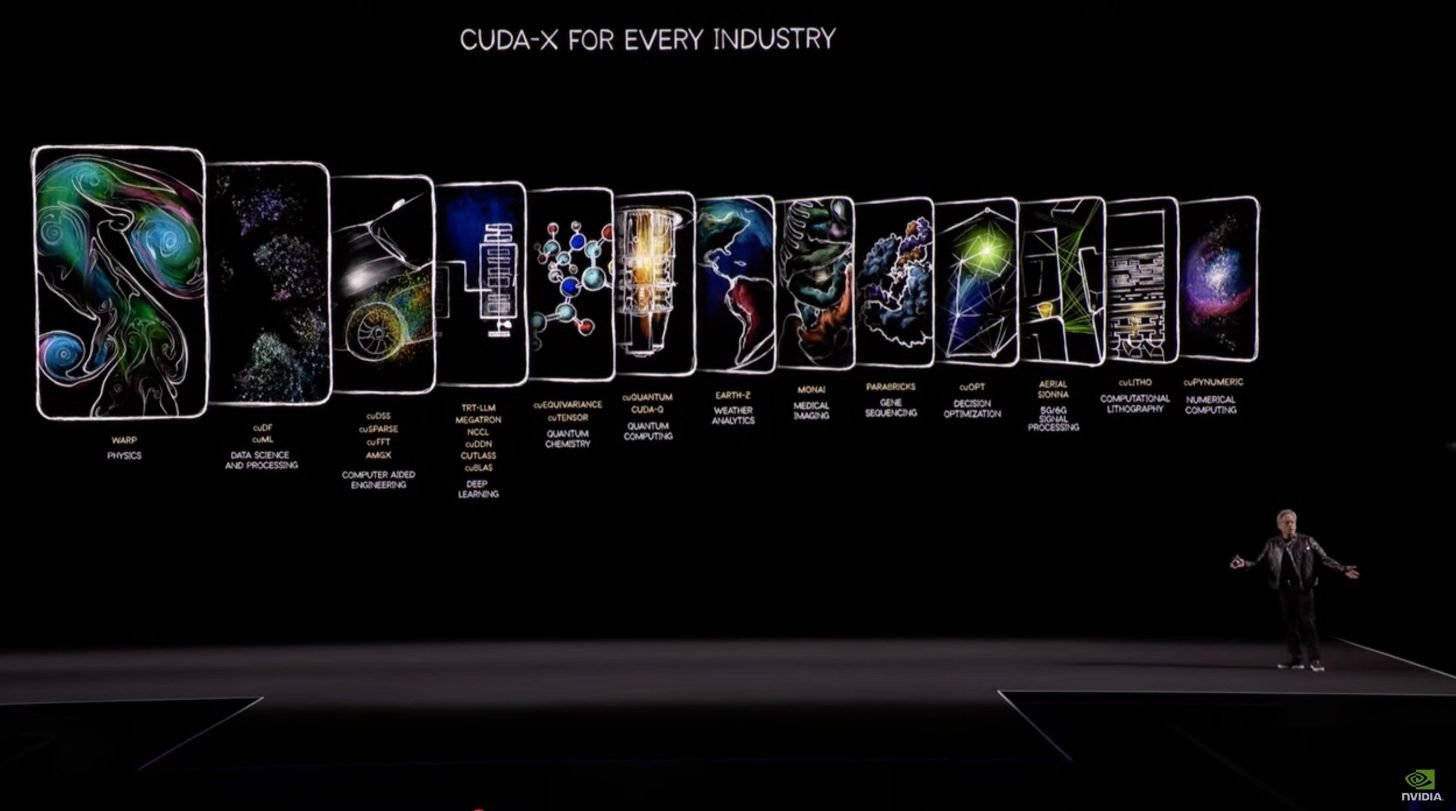
In the high-stakes narrative of modern computing, few strategic decisions have matched the audacious gamble made by Nvidia nearly two decades ago. During a candid retrospective, Nvidia founder and Chief Executive Officer Jensen Huang shared remarkable insights into the turbulent launch of CUDA—the proprietary compute architecture that transformed graphics processing units into general-purpose supercomputers. While CUDA is universally recognized today as the unassailable software moat anchoring Nvidia’s multi-trillion-dollar valuation, Huang revealed that the initiative originally posed an existential crisis that brought the Santa Clara chipmaker dangerously close to corporate collapse.
When CUDA was first introduced in 2006, Nvidia took the controversial and financially risky step of mandating that every single GeForce consumer graphics card sold to PC gamers incorporate specialized compute logic. At the time, graphics cards were purchased almost exclusively for rendering 3D video games. Incorporating heavy floating-point calculation hardware dramatically expanded chip die sizes, inflated production costs, and squeezed gross margins on consumer products, all while gamers received negligible immediate performance benefits. Wall Street reacted with open skepticism, and Nvidia’s stock price suffered severe declines as financial analysts questioned why the company was burning immense capital on a speculative software ecosystem with virtually no paying customers.
Despite mounting losses and executive pushback, Huang remained steadfast in his conviction that scientific computing and complex numerical algorithms would inevitably outgrow traditional central processing units. For years, Nvidia subsidized the CUDA development ecosystem, distributing software developer kits to universities, researchers, and scientific laboratories for free. This protracted period of capital investment, often referred to internally as the company’s darkest wilderness years, finally reached its historic turning point in 2012. When researchers Alex Krizhevsky, Ilya Sutskever, and Geoffrey Hinton trained the landmark AlexNet convolutional neural network using Nvidia GeForce GPUs, the modern deep learning revolution was formally ignited.
Today, that early sacrifice has matured into the most formidable competitive advantage in technology history. Millions of software engineers, AI researchers, and hyperscale enterprises across the globe have built their algorithmic pipelines, libraries, and frameworks directly on top of CUDA’s proprietary programming interface. Migrating away from Nvidia’s ecosystem requires developers to rewrite foundational codebases, retrain specialized models, and sacrifice the massive optimization efficiencies accumulated over eighteen years of continuous development. While competitors attempt to lure clients with alternative open-source software stacks, CUDA’s ubiquity creates an insurmountable network effect that guarantees sustained hardware demand.
Huang’s reflection offers a profound masterclass in strategic foresight, technological discipline, and resilience in the face of market pressure. By absorbing short-term financial penalties to solve long-term computational bottlenecks, Nvidia successfully transformed itself from a niche video game component vendor into the foundational architectural pillar of the artificial intelligence era. As sovereign nations and multinational corporations race to build AI factories, Nvidia’s journey serves as an enduring reminder that true generational market dominance is rarely born overnight—it is forged through decade-long convictions that survive the edge of financial oblivion.