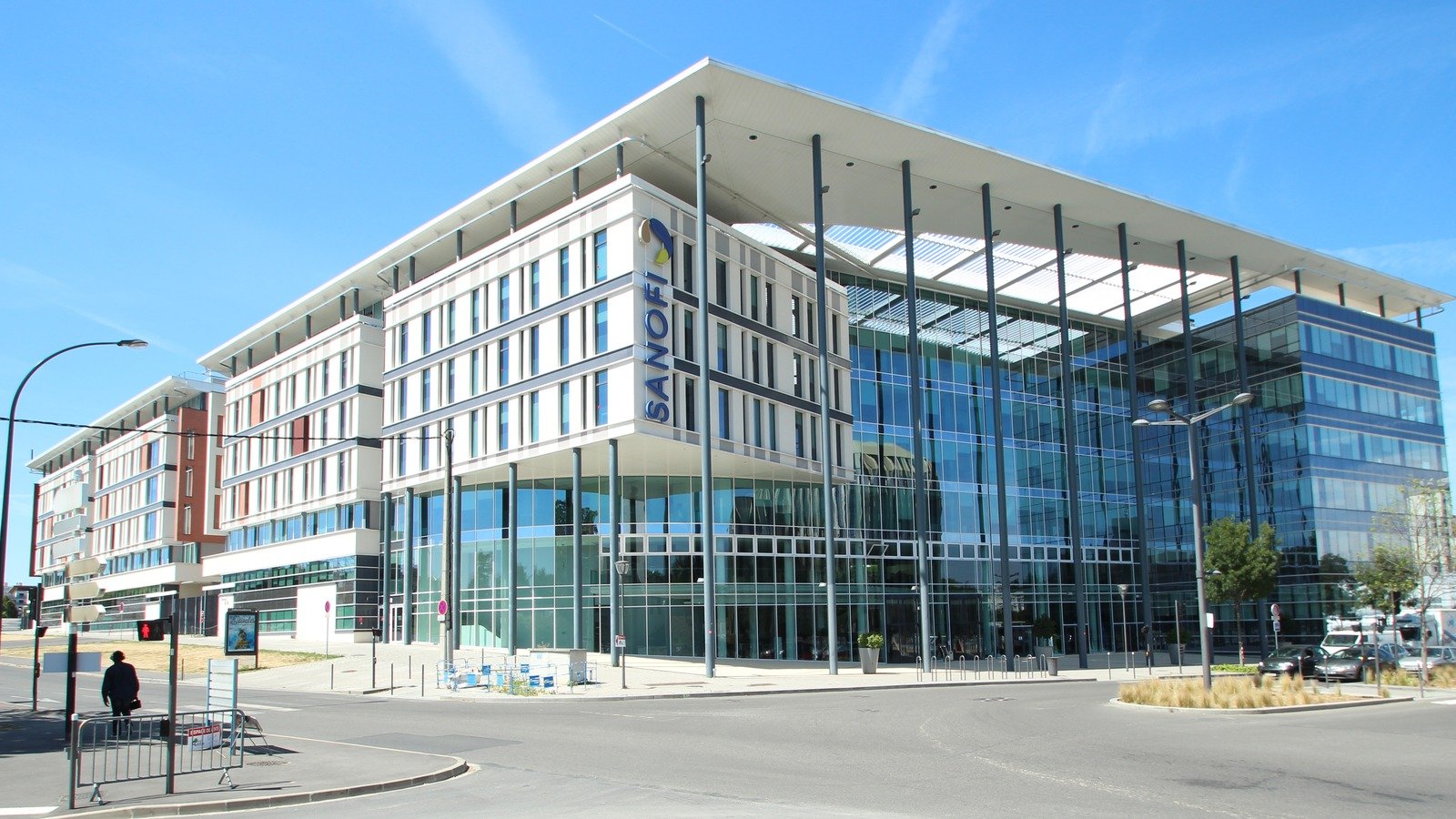
The French drugmaker is paying $175 a share in cash for a New Jersey respiratory specialist, its largest acquisition in two decades and a direct answer to the looming Dupixent patent cliff.
Sanofi has agreed to buy US drugmaker Insmed for about $41 billion in cash, the companies announced on Tuesday, November 24, in the pharmaceutical industry's biggest acquisition since Pfizer bought Seagen for $43 billion in December 2023. Sanofi will pay $175 for each Insmed share, giving the deal a total equity value of roughly $41.0 billion, or €37.6 billion, according to Sanofi's official announcement. Boards at both companies have approved the deal. Closing still needs a vote by Insmed shareholders and regulatory clearance in the US and elsewhere, and Sanofi expects to complete it in the first half of 2027.
Investors liked it. Insmed shares rose about 14% to roughly $170 in morning trading in New York, while Sanofi climbed as much as 8% in Paris, CNBC reported.
What Sanofi is buying
Insmed, based in Bridgewater, New Jersey, has two approved respiratory medicines, both described by Sanofi as first-in-disease products.
The bigger of the two is Brinsupri (brensocatib), a once-daily pill and the first and only approved treatment for non-cystic fibrosis bronchiectasis (NCFB), a chronic lung disease in which the airways become permanently widened and inflamed. It is approved in the US, the EU, the UK and Japan. Sanofi says the drug has reached blockbuster status since its US launch in August 2025, with $1.09 billion in revenue through September 30, 2026. An investor presentation from Sanofi says roughly 500,000 US adults fall within the drug's label, of whom only about 32,000 are currently treated.
The second is Arikayce, an inhaled antibiotic for adults with hard-to-treat mycobacterium avium complex (MAC) lung disease. It brought in $433.8 million in 2025, up 19% on the year. Sanofi said the US Food and Drug Administration accepted an application in September, under priority review, to use Arikayce more widely as part of a combination regimen for MAC lung disease.
Sanofi also gets Insmed's pipeline. The main asset is TPIP (treprostinil palmitil inhalation powder), a once-daily inhaled therapy in phase 3 development for pulmonary hypertension and fibrotic lung disease. Sanofi called it a possible growth driver beyond 2030, provided trials and regulators go its way.
The numbers behind the deal
The $175 offer is a 17.5% premium to Insmed's last closing price before the announcement. It is 46% above where the stock stood on November 18, the day before Bloomberg News first reported that Sanofi was weighing a bid, according to Reuters. CNBC noted that Insmed shares jumped 24% on that report alone.
Sanofi will pay with a mix of new debt and cash on hand, and it has secured committed financing. The company expects the deal to add to business earnings per share by the end of 2028 and estimates annual cost savings of more than $500 million. It says it can keep its progressive dividend policy and a strong credit rating, and that the deal does not change its 2026 financial guidance. Finance chief François Roger told journalists it is the fourth-largest all-cash deal ever in Europe and the largest in France, Reuters reported. JPMorgan was Sanofi's exclusive financial adviser.
CEO Belen Garijo said the portfolio has combined peak sales potential expected to exceed $10 billion through the end of the next decade.
Why Sanofi needed this: life after Dupixent
The deal is mostly about one drug. Sanofi's eczema and inflammation blockbuster Dupixent earned more than €15 billion last year, almost 40% of the group's total sales, Reuters noted. Its exclusivity is expected to end around 2031 to 2032, after which cheaper rivals can enter the market.
Garijo became Sanofi's first female chief executive in May, with a brief to repair the drug pipeline and stop a slide in the share price. Since then she has launched a strategic review, reshaped the executive committee and expanded the company's partnership with Regeneron. The deal also follows the appointment of Sanofi's former CEO, Paul Hudson, to Insmed's board in October.
"This acquisition is a major strategic step to significantly accelerate our mid- and long-term growth trajectory," Garijo said in the company statement. Insmed chair and CEO Will Lewis said the transaction "delivers immediate, certain cash value for Insmed shareholders" and gives the company's medicines a route to more patients worldwide.
How analysts and investors reacted
Reactions were largely positive, with some caveats. Barclays analysts called the deal a "breath of fresh air" that significantly improves Sanofi's outlook once Dupixent's patents expire, CNBC reported. Jefferies called it a good strategic fit and projected 2035 sales of $6.8 billion for Brinsupri and $1.3 billion for Arikayce. It also cautioned that "the deal does not fix Sanofi's R&D/pipeline questions, but it buys time." Jefferies flagged possible future competition from AstraZeneca's tozorakimab, which is being studied in bronchiectasis.
Shareholders were broadly supportive. Claus Henrik Johansen of Danish fund Global Health Invest, which holds Sanofi stock, told Reuters it was "the deal everyone expected" but said investors would want more clinical data and sales projections to justify the valuation. Union Investment portfolio manager Markus Manns said the purchase addresses both the Dupixent cliff and the thin pipeline.
Why it matters
Analysis: The deal adds to a broader wave of consolidation in biopharma. Large drugmakers face expiring patents on top-selling medicines and are under investor pressure to show durable growth. Buying approved or late-stage drugs is often faster than developing them in-house, and CNBC noted that dealmaking has picked up sharply through 2026 after a post-pandemic slump. Insmed suits that approach because Brinsupri is already selling well and treats a large, mostly untreated patient group. Sanofi is betting that its global sales network can reach far more of those patients than Insmed could alone.
There are risks. Sanofi is paying a steep premium for a company whose biggest drug launched only about 15 months ago. Much of the expected value depends on Brinsupri continuing to grow and on TPIP succeeding in late-stage trials, and neither is guaranteed.
What happens next
Insmed shareholders still need to approve the deal, and US and some non-US regulators must clear it. Sanofi expects the deal to close in the first half of 2027. Watch for regulatory filings, the shareholder vote and any change to Sanofi's 2027 outlook. CFO Roger said Sanofi will still have room for smaller, early-stage acquisitions in immunology, rare diseases and vaccines.
Image: Lionel Allorge / Wikimedia Commons, CC BY-SA 3.0