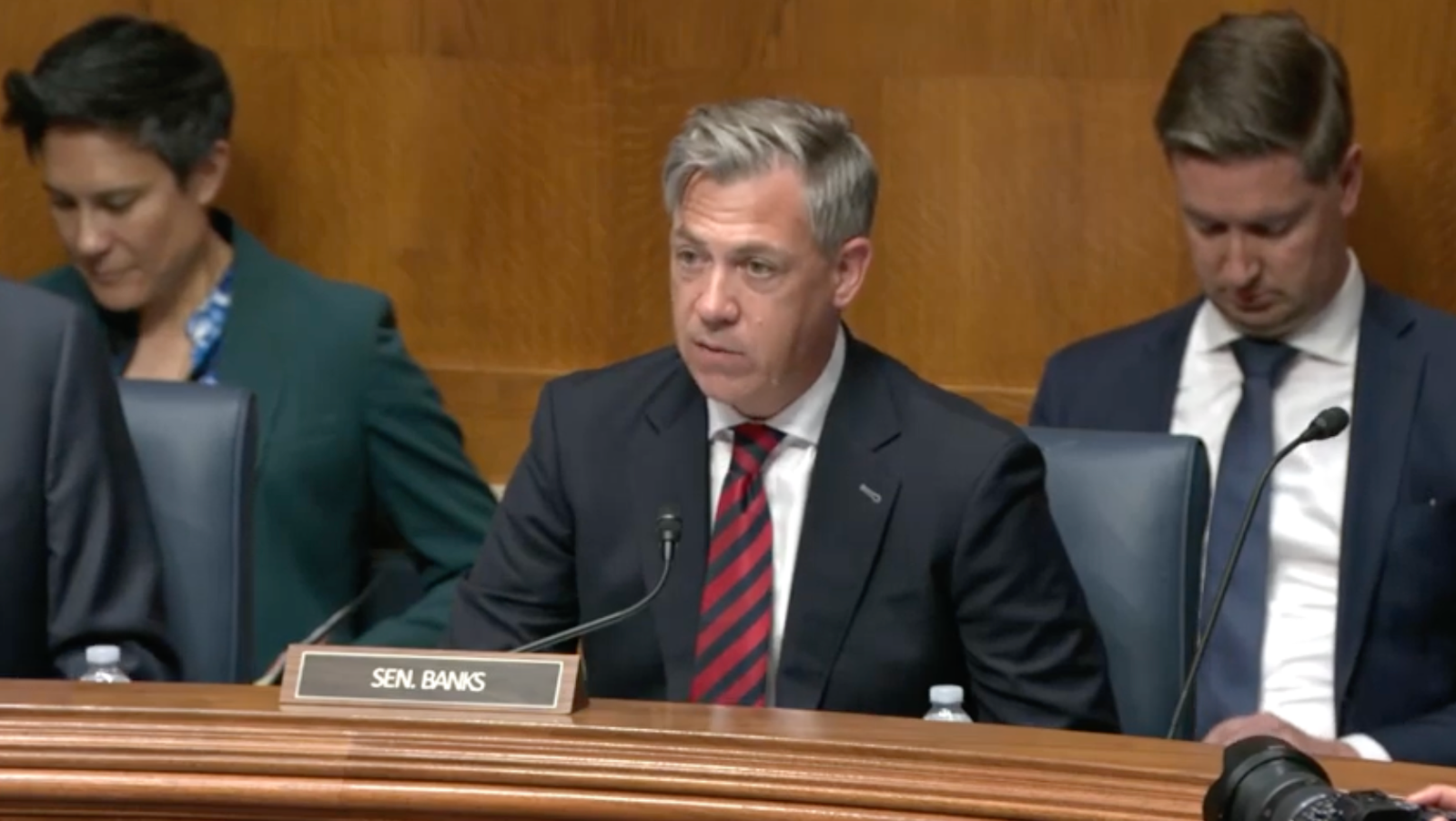
On Capitol Hill, the intensifying national debate over the economic consequences of automation reached a fever pitch as Senator Jim Banks convened a high-profile congressional hearing examining the impact of artificial intelligence on the American workforce. The hearing, held before a packed committee room of lawmakers, industry executives, economists, and organized labor leaders, underscored the growing anxiety that technological innovation is advancing at a velocity that threatens to outstrip domestic labor protections and social safety nets. With generative algorithms rapidly expanding from routine blue-collar physical automation into skilled white-collar professions, Congress finds itself forced to reckon with profound questions regarding the future of employment in an algorithmic economy.
Throughout the proceedings, tech industry witnesses painted an optimistic vision of artificial intelligence as an unprecedented engine of national productivity and human empowerment. Technology executives argued that AI tools will not replace human workers, but rather augment their capabilities, liberating professionals from mundane administrative drudgery while enabling them to achieve greater creative and analytical breakthroughs. Silicon Valley representatives warned committee members that imposing overly restrictive regulations on domestic AI development would stifle American competitiveness on the global stage, urging lawmakers instead to incentivize corporate research and support market-driven upskilling initiatives that help businesses modernize internal workflows.
That technological optimism was met with forceful, impassioned resistance from organized labor representatives and independent economic researchers. Union leaders presented sobering testimony outlining how corporate enterprises are already utilizing algorithmic management systems, voice synthesis software, and autonomous coding platforms to eliminate jobs, depress entry-level wages, and reduce collective bargaining leverage. Labor advocates emphasized that unlike previous industrial revolutions, where displaced workers could transition over decades into emerging service sectors, the current wave of cognitive automation is moving so rapidly that millions of professionals in customer support, legal research, graphic design, and logistics could be displaced without viable alternative career paths.
In response to these testimony threads, Senator Banks directed the committee’s focus toward legislative solutions designed to build national economic resilience through aggressive worker reskilling. Lawmakers debated the framework of proposed bipartisan legislation aimed at modernizing federal vocational training grants, creating tax incentives for corporations that invest in continuous workforce retraining, and establishing targeted educational pipelines that prepare community college students for high-demand technical careers alongside artificial intelligence systems. Both sides of the aisle acknowledged that traditional educational curricula are currently obsolete, failing to equip the next generation with the adaptive, analytical skills necessary to maintain professional relevance.
As the hearing concluded, the consensus among committee members was clear: passive reliance on unguided market forces is no longer a viable strategy for managing the artificial intelligence transition. While partisan disagreements remain regarding regulatory oversight and collective bargaining protections, the hearing established a critical bipartisan baseline that the American worker must not be treated as collateral damage in the pursuit of technological progress. The policies forged in the wake of these congressional inquiries will determine whether artificial intelligence serves as an instrument of shared national prosperity or a catalyst for unprecedented economic disruption.