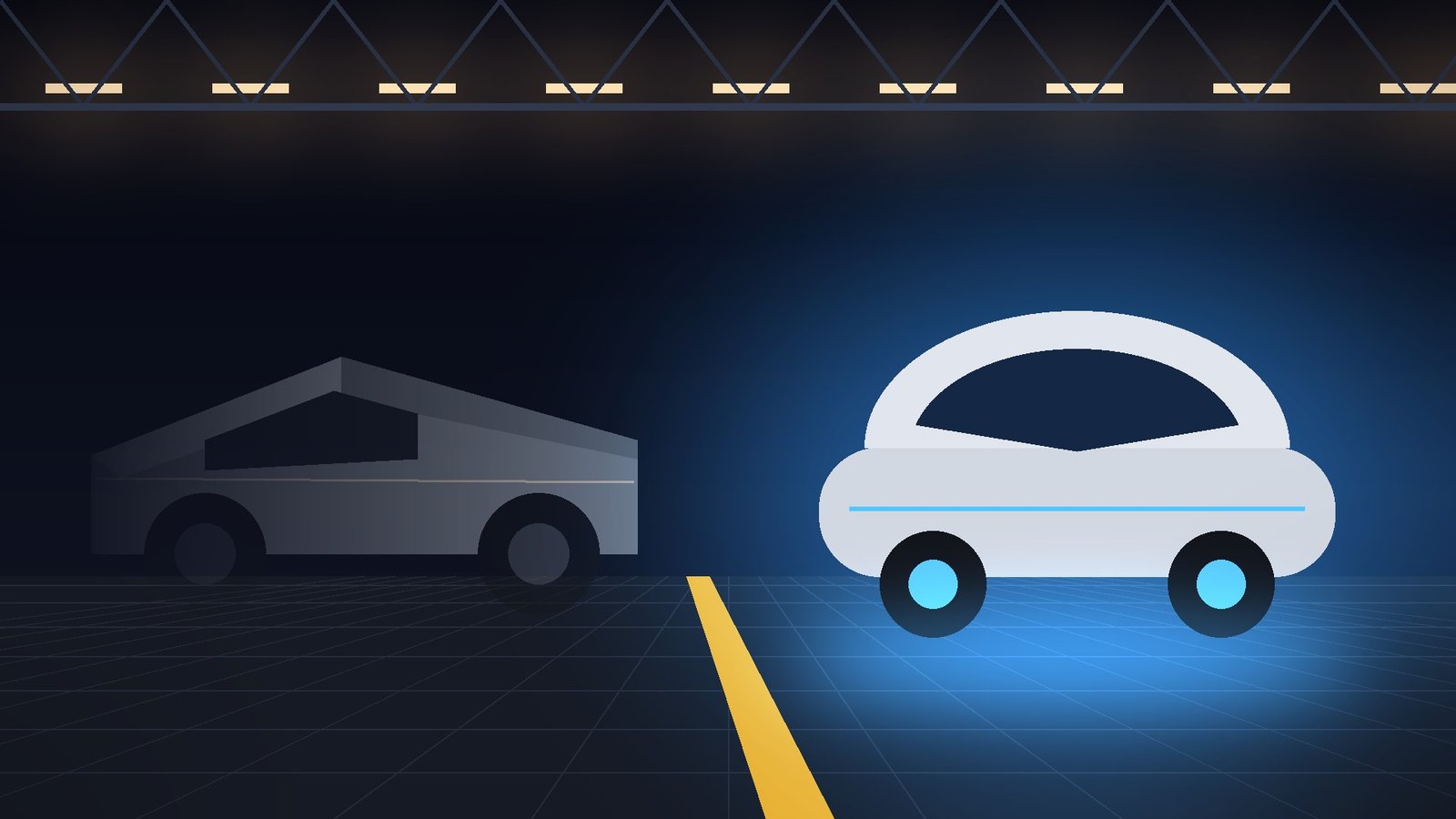
The stainless-steel pickup that was meant to reinvent the truck is heading for the exit, and Elon Musk is handing its factory floor to a car with no steering wheel.
Tesla will wind down production of the Cybertruck at its Gigafactory Texas plant around the middle of 2027, CEO Elon Musk said in a post on X early on Friday, November 6, according to CNBC. Musk said the move is meant to make room for increased production of the Cybercab, the two-seat robotaxi that he has placed at the centre of Tesla's future. Investors did not seem to mind: Tesla shares closed Friday at $358.22, up about 4.2% on the day, according to Yahoo Finance market data.
What Musk Announced
In his post, Musk said Tesla would be "winding down" Cybertruck output at the Austin, Texas, factory "to make room for increased Cybercab production," as The Verge reported. The Texas plant is the only Tesla facility known to build the Cybertruck, and it currently produces the truck alongside the Model Y and the Cybercab.
Musk did not say whether Cybertruck production would move to another plant or end altogether. When an X user called the news the "end of an era" and described the Cybertruck as the "best vehicle Tesla has ever made," Musk replied: "True, but the Cybertruck fleet will be around for a long time," CNBC reported. Tesla did not immediately respond to requests for comment from CNBC or Reuters.
The Numbers Behind the Decision
Tesla does not break out sales by model, but outside estimates paint a clear picture. Tesla sold 20,237 Cybertrucks in the U.S. last year, down 48% from 38,965 in 2024, according to Reuters, citing Kelley Blue Book data. Before launch, Musk had predicted annual sales would eventually reach 250,000 units.
Even the highest analyst estimates put total Cybertruck deliveries at roughly 70,000 since the truck launched in late 2023, The Verge noted. Tesla's "Other Models" category, which bundles the Cybertruck with the Model S, Model X and Semi, delivered 8,295 vehicles in the third quarter, down 48% year over year, according to a GuruFocus report on Yahoo Finance citing Electrek. The same report said the truck appears to be selling at only around 12% of the 250,000-a-year rate Tesla once planned for, against more than 125,000 units of installed capacity.
One notable buyer last year was Musk's own SpaceX, which spent $131 million buying Cybertrucks at Tesla's suggested retail price, according to a SpaceX financial filing cited by CNBC.
A Troubled Three-Year Run
The Cybertruck was controversial from the start. At its 2019 unveiling, an attempt to show off "shatterproof" windows by throwing metal balls at them left large cracks in two panes, Reuters recalled. At the official launch in 2023, Musk pitched it as a futuristic rival to pickups from General Motors and Ford.
Reality proved harder. The truck's specifications fell short of what Tesla first advertised, and the 2024 model was the subject of 11 voluntary recalls, according to the National Highway Traffic Safety Administration website, CNBC reported. Issues ranged from an accelerator pedal that could get "trapped" to software defects and an inverter fault that could cause a sudden loss of drive power. Its sharp-edged stainless-steel design also kept it out of Europe, where rules on pedestrian impact made regulatory approval impossible, according to Reuters.
The vehicle also became a political symbol. CNBC noted that some owners reported rude gestures and road rage after Musk became the biggest funder of Donald Trump's presidential campaign and led the so-called Department of Government Efficiency.
How the Industry Reacted
Former Aston Martin CEO Andy Palmer was blunt. "It doesn't make sense to keep it going when it's not meeting its targets," he told Reuters. "Every rational auto guy would say the same." He added that the move "will no doubt only be a rounding error on Tesla's balance sheet, but the statistics speak for themselves."
Automotive analyst Felipe Munoz offered some context, telling Reuters that electric pickups from Ford and others have also struggled in the U.S. "All of them lost the competition because electric pick ups aren't popular in the US," he said.
Inside Tesla, the framing was more upbeat. "Cybertruck was an incredible technology development platform and lives on through Cybercab," Cybertruck lead engineer Wes Morrill wrote on X, Reuters reported.
Why It Matters: Tesla's Robotaxi Bet
The decision is a clear statement of where Tesla wants to spend its factory space and capital. The Cybercab has butterfly doors and no steering wheel, pedals or mirrors, and Musk sees it as Tesla's main model for a global robotaxi network, according to Reuters. Tesla began offering paid rides in a small Cybercab fleet in Austin in September.
The replacement is still small, though. Texas had 463 Cybercabs registered as of late October, according to the GuruFocus report, which also pointed to a trailing price-to-earnings ratio of roughly 383 as a sign of how much of Tesla's valuation rides on autonomy rather than current earnings. In our view, Friday's share gain suggests investors read the news less as the loss of a product and more as a move toward the business they are already pricing in. The bounce also came a day after the stock dropped about 10.8% during Thursday's broad tech selloff, based on Yahoo Finance closing prices.
What Comes Next
Several questions remain open. Tesla has not said whether the Cybertruck will be built anywhere else, and The Verge noted that moving production would be arduous given the truck's specialised components. Tesla also still has to answer questions from the U.S. auto safety regulator about whether it properly self-certified the Cybercab as compliant with federal motor vehicle safety standards, Reuters reported.
For now, Cybertruck production continues until around mid-2027. After that, Tesla's future in Texas depends on whether the Cybercab can scale fast enough to justify giving up the truck.