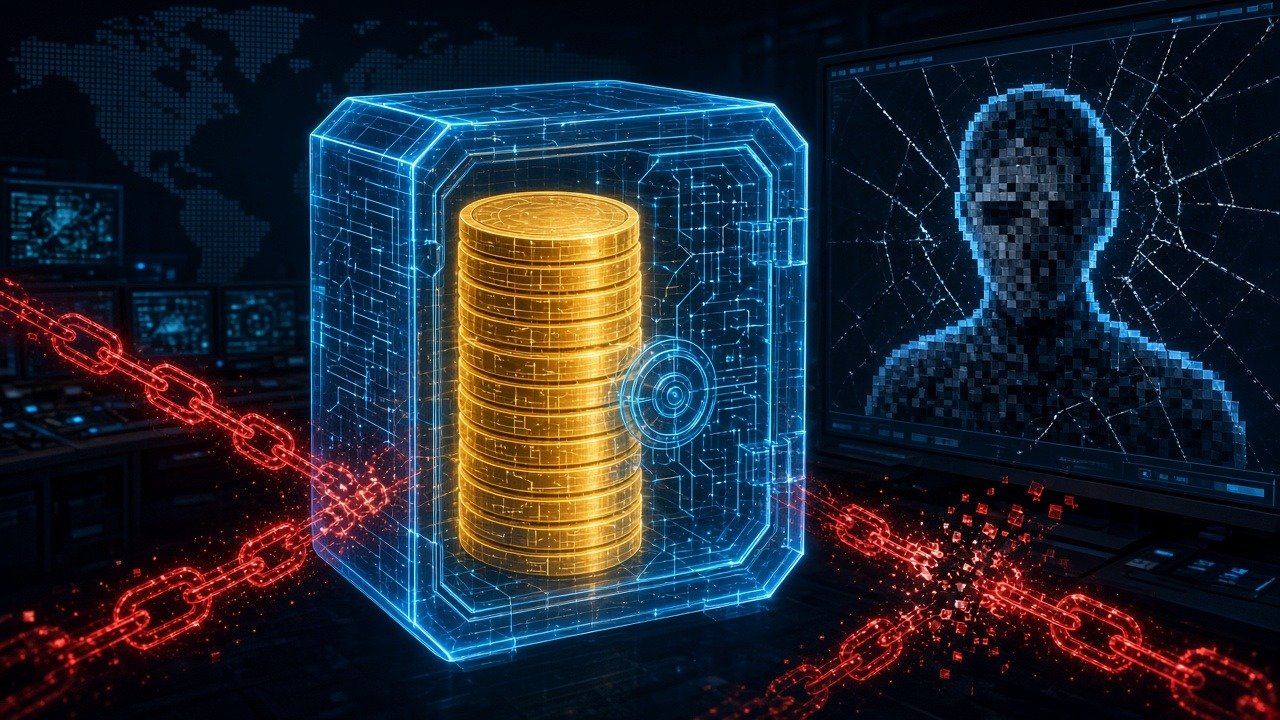
Two weeks after the biggest crypto theft on record, Washington says it has clawed back a large slice of the loot and pulled the curtain on a deepfake scam that turns your trusted contacts into bait.
The US Department of Justice has obtained court authorisation to seize or restrain more than $1.2 billion in cryptocurrency stolen from exchange Binance on October 29, a theft it blames on North Korean military hackers, according to a DOJ announcement on Thursday, November 12. In the same action, the FBI disrupted cloud infrastructure behind "FaceStealer", a social engineering scheme that uses recorded webcam footage and AI-generated deepfakes in fake video meetings and has stolen more than $400 million in 18 months.
The FBI publicly confirmed the seizure figure on Friday, AP reported. Together, the two moves amount to one of the most significant US strikes yet against Pyongyang's crypto-funded operations, and a warning to anyone who works in crypto or maintains popular software.
The Binance recovery, by the numbers
More than $6 billion worth of digital assets was taken from Binance in the October 29 attack, which the FBI attributes to a North Korean military group it calls "TraderTraitor", CNBC reported. The Record put the total at $6.3 billion. Combined efforts by US agencies and private companies have frozen more than $2.7 billion so far, and the $1.2 billion the DOJ can now seize or restrain is part of that frozen pool.
Assistant Attorney General A. Tysen Duva credited the Criminal Division's computer crime unit with moving fast enough to "immediately halt about half of this historic breach" before the funds got beyond the reach of law enforcement, per the DOJ. The department said tracing and forfeiture efforts continue because TraderTraitor is still laundering assets through crypto bridges, mixers and exchanges. Last week, the FBI, Secret Service and IRS Criminal Investigation issued an alert urging crypto platforms to block transactions linked to addresses the hackers are using.
Laundering techniques are evolving. Blockchain analytics firm Elliptic said North Korea's launderers were creating worthless tokens of their own and routing stolen assets through decentralised exchange liquidity pools, so that no funds move directly from the theft wallets to the receiving wallets, The Record reported. Elliptic said a similar method was tried last year after the $1.4 billion Bybit hack.
How the FaceStealer scam works
FaceStealer is the more unsettling half of the announcement because it targets people, not platforms. According to the DOJ, hackers send video meeting invitations from accounts stolen from earlier victims. When the target joins, the attackers record the target's webcam and play pre-recorded clips of previous victims the target knows, making it look as if trusted contacts are on the call. In some cases they also use deepfake videos of well-known figures in the crypto and web3 world.
Then comes the trap: a fake technical glitch, such as a claim that the target cannot be heard, followed by a link or prompt to "fix" it. That fix silently installs malware. The Record reported the payload typically includes a browser cookie harvester, keyloggers, screen capture tools and a backdoor, and that invitations often arrive via Calendly links to Zoom or Teams meetings hosted on fake domains. Because the hackers then control the victim's Telegram, LinkedIn, Slack or Discord accounts and chat history, they can approach that person's contacts with convincing, tailored messages, sometimes months or more than a year later.
"If you can't imagine a scenario where you might fall prey to it, you are not thinking creatively enough," said Patrick Grandy, who leads the FBI's Los Angeles Field Office, in the DOJ release. Under a federal warrant, the FBI seized more than 900 webcam videos of FaceStealer victims.
Open-source developers in the crosshairs
The FBI says the campaign has widened from crypto theft to the open-source software supply chain. North Korean actors have targeted maintainers of widely downloaded software, with multiple attempts aimed at developers on the npm JavaScript registry and, more recently, maintainers of Rust crates, The Record reported. FaceStealer has been attributed to APT38, a North Korean group previously accused of compromising popular npm packages, including axios earlier this year.
The DOJ lists several names security researchers use for the actors behind the scheme, including Sapphire Sleet, BlueNoroff and APT38, and says the targeting "appears calculated to enable software supply-chain attacks." An FBI agent told The Record it is unclear whether FaceStealer played any role in the Binance breach itself, so the two cases should be treated as separate for now.
Why it matters
Reported facts first: US officials say North Korea funds its weapons programme in part through crypto theft, and this action freezes or recovers a meaningful share of one record haul while disrupting an active scam. Our analysis: the FaceStealer details matter well beyond crypto. The technique exploits the ordinary habit of trusting a familiar face on a video call, and generative AI makes that face easier to fake. For companies running remote teams, it is a strong argument for verifying unexpected meeting requests through a second channel and treating any mid-call "install this to fix your audio" prompt as a red flag.
What happens next
The FBI has published a detailed report on FaceStealer, with protective steps and guidance for victims, at a dedicated page, fbi.gov/facestealer, according to the DOJ. Forfeiture proceedings for the frozen Binance assets are ongoing, and more than half of the stolen funds have not been frozen. How much more investigators can claw back, and whether any of the $1.2 billion is returned to Binance or its users, has not yet been announced.