"I hurt all of you." A day after getting his job back, Jensen Huang stood before Nvidia employees, admitted he broke the code of conduct and said he is in therapy every day, while Donald Trump told a newspaper a pardon is "always an option."
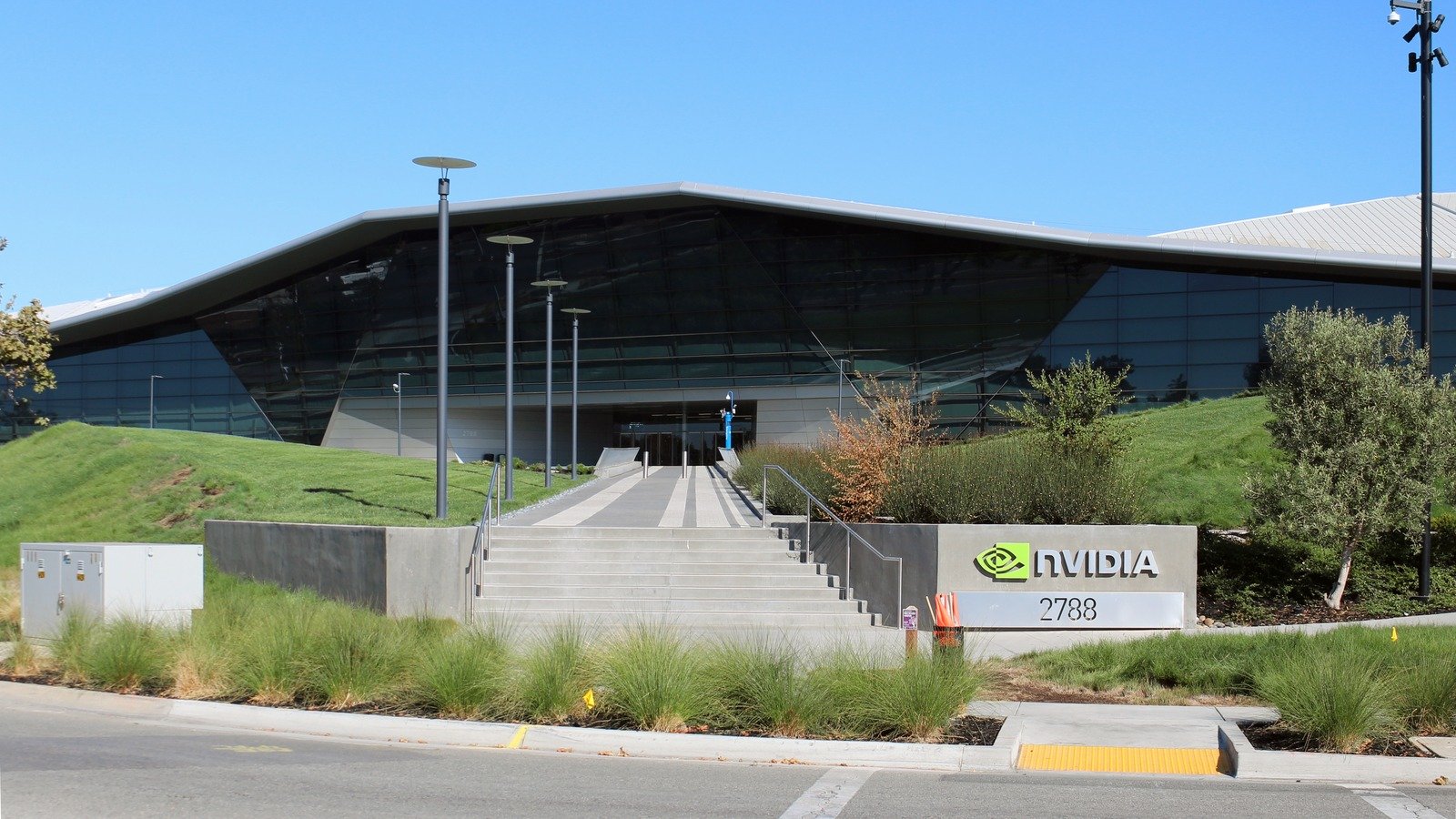
Nvidia CEO Jensen Huang apologized to employees on Tuesday, November 24, at his first all-hands meeting since the board reinstated him on Monday, admitting he made "very serious personal mistakes" and violated the company's code of conduct. Speaking for about an hour at Nvidia's Silicon Valley headquarters, he said he has been in therapy "every day for an hour and a half," defended the board's decision to bring him back and pushed back on claims that he returned because he is above the rules, according to WIRED, which reviewed his remarks. Hours later, President Donald Trump said a pardon for Huang remained an option, though he did not think one would be needed.
Inside the meeting: an apology and a promise
Huang opened by calling it the hardest company meeting he had ever held. "This is going to be the hardest company meeting I've ever done, and the second hardest meeting I have ever done," he said. "The hardest meeting I've ever done was with my wife."
He told staff he had let them down and promised to do a better job the second time around. "I hurt all of you," Huang said, according to CNBC, citing people in the room. He also began by thanking CFO Colette Kress for leading the company as interim CEO during his absence.
Huang said he had never knowingly made a decision against Nvidia's interests, but conceded that "in this one area" he had lacked "the courage" to disclose information he knew would hurt his family, an apparent reference to his extramarital affairs. He took no questions, and WIRED reported that employees applauded at times, while some remain uneasy about his behavior and the board's reversal.
"A second chance" and no "tech bro" pass
The CEO, who said he wrote much of Nvidia's code of conduct himself, insisted it still applies and that violations will not be tolerated. But he argued that breaking it "does not mean, the moment you violate a code of conduct, we walk you out the door," adding that "facts, circumstances, a lot of assessments" matter. "This company has been more than gracious, more than thoughtful, more than fair in giving me a second chance," he said.
He also rejected the idea that he got special treatment. "There are rumors on the internet that apparently I'm a tech bro, and therefore I'm back," Huang said, dismissing the suggestion that he was above the law or the company's rules. He said the board, not "the highest levels of our government," decided to reinstate him after spending a weekend "collecting facts" with him.
On politics, Huang said: "It is absolutely true that President Trump really, really loves our company. He is my president. And I'll do everything I can to help this president." He added that he would take the same approach with future presidents and called Nvidia "the most apolitical company."
Changes to how he leads, but no succession plan
Huang acknowledged that his "deeply intense, insanely intense" management style had sometimes hurt staff. "It disempowers them, and that's not right," he said. To address it, he said he will undergo a 360-degree performance review, gathering feedback as often as monthly from people who work with him. He stressed he would be the only person at Nvidia subject to such a review.
He was far less willing to budge on succession, a key worry for investors after his sudden exit left no obvious internal successor. "I don't believe in succession planning; I think it's flawed," Huang said, describing his roughly 60 direct reports as CEOs of their own units who could step up when he eventually leaves. According to CNBC, he said a formal succession plan would create unnecessary hierarchy.
How Nvidia got here
Huang resigned on November 12 after reports of multiple extramarital affairs, including one with Alice Huang (no relation), a businesswoman US officials have alleged is a Chinese intelligence asset. US authorities are investigating Megaspeed, the Singapore-based Nvidia customer where she worked, over whether Nvidia chips were diverted to China in breach of export controls. Huang himself has not been charged with any crime.
Just 11 days after accepting his resignation, Nvidia's board unanimously reinstated him on Monday, saying it had received "input from senior levels of the United States government" that his return posed no national security risk. Trump told CNBC he gave the board assurances and "made the deal."
Markets swung wildly. Nvidia stock jumped 31.5% on Monday, its biggest one-day gain in market value on record, then fell 5.86% to $155.38 on Tuesday as the rally cooled, CNBC reported. Other chip stocks, including AMD and Micron, fell even harder.
Trump: a pardon is "always an option"
In an interview with the New York Post published Tuesday night, Trump was asked about a possible pardon for any potential crimes. "It's always an option, I guess, but I don't think it'll be necessary," he said, as reported by NBC News. He added that Huang should not need to invoke the Fifth Amendment before Congress: "I think I want him to just tell the truth... I've always found him to be 100% aboveboard."
A representative for Huang declined to comment. Attorney General Todd Blanche said on Tuesday that he would have told the president if the Justice Department had information that Huang was committing crimes. A presidential pardon only covers federal offenses, so it would not reach state matters such as the investigative subpoena California authorities have served on Nvidia.
Lawmakers in both parties are not letting the matter drop. A spokesperson for the House Intelligence Committee told NBC News that Huang's reinstatement "changes nothing" and that serious national security questions still need answers.
What comes next
The next big test is Capitol Hill. Huang is expected to sit for a closed-door interview with the House Foreign Affairs, Intelligence and China Select committees on December 1, and to testify publicly before the Senate Banking Committee on December 3. Sen. Elizabeth Warren called his return "reckless" and said Nvidia still owes Congress answers on export control compliance, while Sen. John Kennedy has predicted Huang will invoke the Fifth.
Inside Nvidia, the board is still investigating whether Huang was targeted by foreign intelligence, and lawsuits and probes into the company's disclosures and export compliance continue, WIRED reported. Tuesday's meeting showed Huang trying to rebuild trust with his own staff. Whether that is enough for lawmakers and investors will become clearer next week, when he has to answer questions he did not take at the all-hands.
Image: Coolcaesar / Wikimedia Commons, CC BY-SA 4.0