A $5.9 billion lender went into receivership on a holiday Friday evening, and its branches were back open under a new owner the next morning.
US regulators closed Evansville, Indiana-based United Fidelity Bank on Friday, November 27, in the country's biggest bank failure in more than two years. The Office of the Comptroller of the Currency handed the bank to the Federal Deposit Insurance Corp as receiver, and the FDIC immediately sold substantially all of its deposits and assets to North Carolina's First Citizens Bank. Customers keep their money and their insurance coverage, but the clean-up will cost the FDIC's Deposit Insurance Fund an estimated $1.83 billion, according to the FDIC.
What happened on Friday
The OCC, which supervises federally chartered savings banks like United Fidelity, said it acted after finding the bank was "in an unsafe or unsound condition to transact business" and was likely to be unable to pay its obligations or meet depositors' demands in the normal course of business, the regulator said in a brief statement. Neither the OCC nor United Fidelity has said publicly what caused the collapse.
The closure followed the playbook regulators prefer for troubled banks: shut the lender after business hours, appoint the FDIC as receiver and line up a buyer in advance so customers notice as little as possible. United Fidelity's 22 branches in Indiana, Illinois, Florida, Colorado and the US Virgin Islands were set to reopen as First Citizens branches on Saturday where they normally keep weekend hours, and on Monday everywhere else. Over the weekend, depositors can keep writing checks and using ATM and debit cards, and borrowers should keep making loan payments as usual, the FDIC said.
The numbers behind the deal
As of September 30, United Fidelity had about $5.9 billion in total assets and $5.4 billion in total deposits. Under the agreement, First Citizens will take on assets of $5.9 billion, deposits of $4.5 billion and loans of $3.1 billion, based on those September balances, First Citizens said in its announcement. The bank stressed that these figures are estimates and could change once the final closing balance sheet is settled with the FDIC.
The gap between the $5.4 billion in total deposits and the $4.5 billion First Citizens is assuming reflects accounts left out of the deal. First Citizens said it is taking all customer deposits except certain brokered deposits and other excluded accounts, and the FDIC told customers who hold United Fidelity deposits through a broker to contact that broker with questions.
First Citizens said it won the bank through a competitive bidding process. Its winning bid included an asset discount of about $2.6 billion and no deposit premium. In plain terms, the buyer is paying well below the book value of the assets it takes on, which is part of why the FDIC expects the failure to cost its insurance fund $1.83 billion. That estimated loss equals roughly 31% of the bank's reported assets.
The purchase covers 20 former United Fidelity branches in Indiana, Illinois, Colorado and Florida, plus two in the US Virgin Islands that operated as Bank of St. Croix. It also includes the bank's subsidiaries, among them Pedcor Homes Corporation, a real estate development and management business.
The biggest US bank failure since 2024
United Fidelity is the largest US bank to fail since Philadelphia-based Republic First Bank collapsed in April 2024 with about $6 billion in assets, Reuters reported, citing FDIC data. Reuters said it could not reach United Fidelity for comment outside regular business hours.
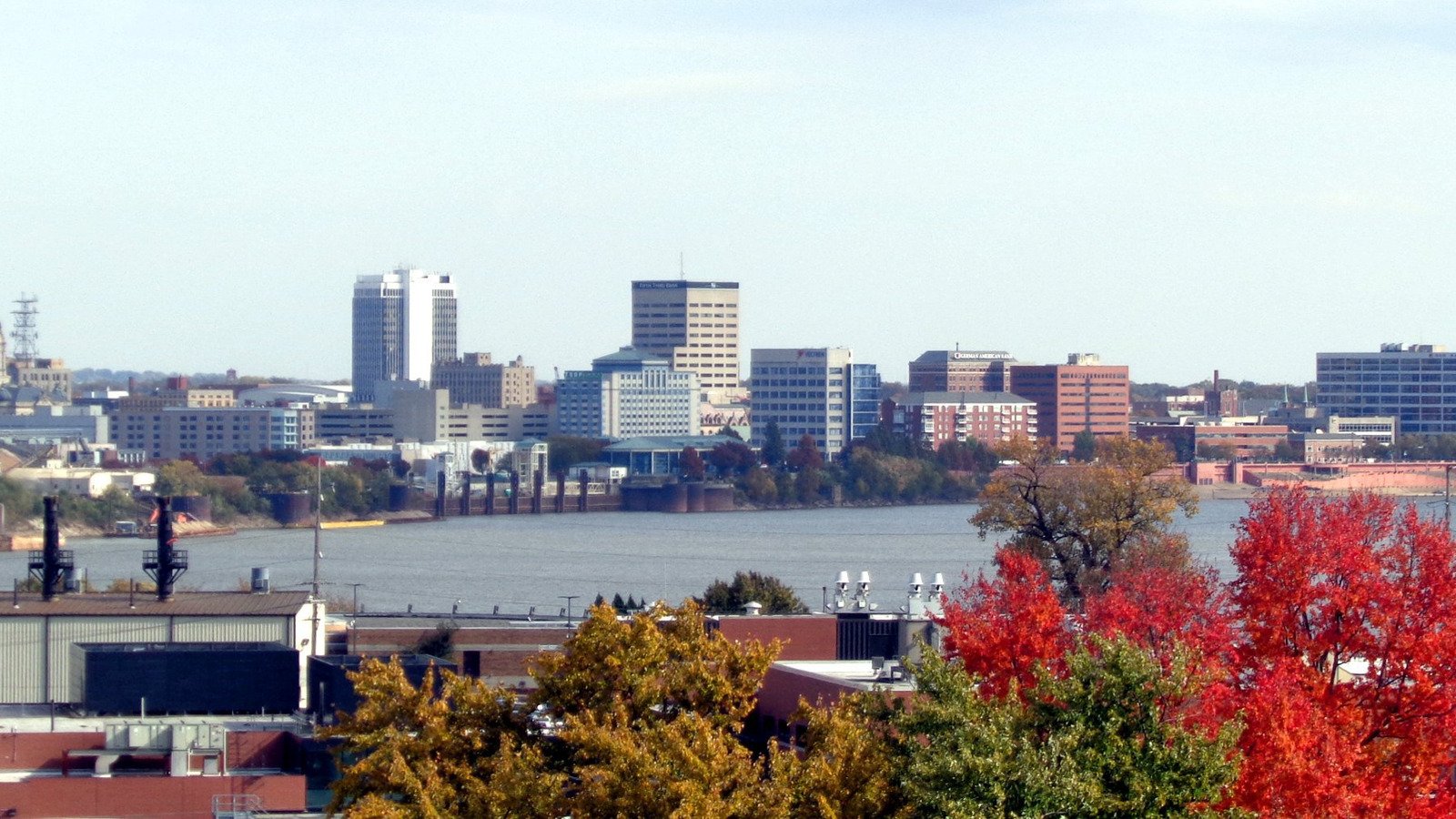
The bank's home town is also adjusting to the news. United Fidelity is the first Evansville bank to fail since Integra in 2011, and its headquarters sits in downtown Evansville, the Evansville Courier & Press reported. Three of its branches are in the city.
What First Citizens is saying
For First Citizens, this is familiar ground. The Raleigh-based lender, a subsidiary of Nasdaq-listed First Citizens BancShares that reports more than $225 billion in assets, took over Silicon Valley Bank's deposits and loans from the FDIC in 2023. Chairman and CEO Frank B. Holding Jr. called the United Fidelity purchase "both financially and strategically compelling" and said the bank looks forward to "welcoming our new customers, earning their trust."
First Citizens said customers can keep using their accounts as they do today, with no immediate changes. Moving the accounts onto First Citizens' own systems will happen at a later date. Transferred deposits will be insured separately from any accounts customers already hold at First Citizens for at least six months, the FDIC said, and customers can withdraw money from transferred accounts without an early-withdrawal penalty until they sign a new deposit agreement.
Why it matters
A single failure of this size does not point to a banking crisis, and the quick handover was designed to stop panic from spreading. Still, a $1.83 billion hit to the deposit insurance fund is significant, and the loss is ultimately covered by assessments on the banking industry rather than by taxpayers directly.
The timing also stands out. Traders are almost fully pricing in a Federal Reserve rate hike in December after US data showed faster third-quarter growth and hotter October inflation, Reuters reported on Friday. Regulators have not tied United Fidelity's failure to interest rates. But higher borrowing costs tend to squeeze smaller lenders, and a failure of this size is likely to sharpen investors' attention on regional bank balance sheets.
What comes next
For customers, the main things to watch are notices from First Citizens about the systems conversion and any changes to deposit rates, which the FDIC said First Citizens will review. People who are owed money by United Fidelity for services provided before the closure can file claims with the FDIC as receiver. For the wider market, the big open question is why the bank failed. Neither the regulators nor United Fidelity's holding company, which owned all of the bank's stock and was not part of the transaction, has offered an explanation so far.
Image: Vasiliymeshko / Wikimedia Commons, CC BY-SA 4.0